
“`html
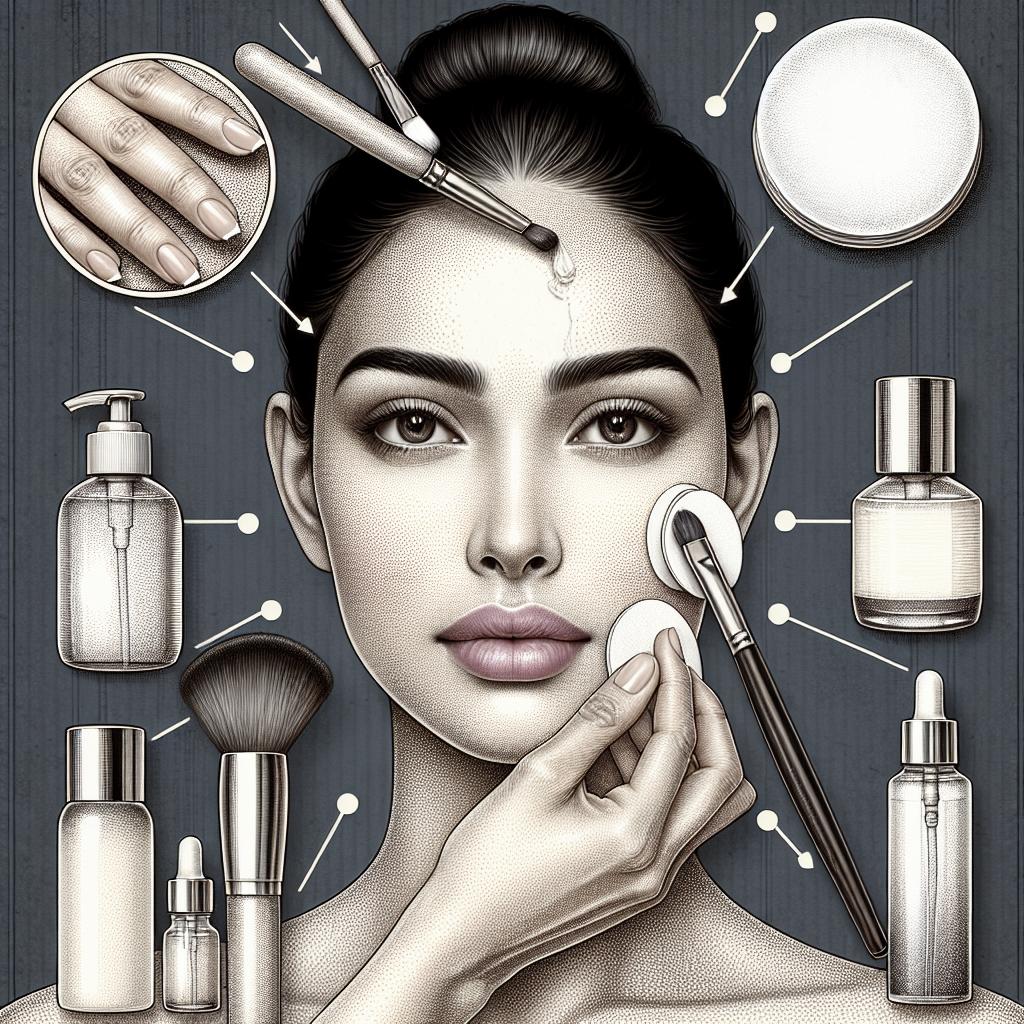
Achieving flawless makeup application in 2025 requires strategic skin preparation that transforms your complexion into a perfect canvas.
The Science Behind Pre-Makeup Skin Preparation
Proper skin preparation creates the foundation for long-lasting makeup that withstands daily challenges. When skin lacks adequate preparation, foundation oxidizes faster, concealer creases within hours, and powder appears patchy by midday. Professional makeup artists consistently emphasize that skin prep accounts for 70% of makeup success, according to recent 2024 industry studies.
The skin’s natural pH balance, moisture barrier, and surface texture directly impact how cosmetic products adhere and perform. Dermatological research from the American Academy of Dermatology shows that properly prepped skin retains makeup 40% longer than unprepared surfaces. This preparation process also prevents common issues like foundation separation, uneven coverage, and premature wear-off.
Modern makeup formulations work synergistically with skincare ingredients, creating a seamless blend between skin health and cosmetic enhancement. The investment in quality preparation pays dividends in both immediate appearance and long-term skin condition.
Essential Pre-Makeup Skincare Benefits
Skin preparation serves multiple purposes beyond makeup application enhancement. It creates a protective barrier between your natural skin and cosmetic products, reducing the risk of clogged pores and breakouts. Clinical studies demonstrate that individuals who maintain consistent pre-makeup routines experience 35% fewer skin irritations compared to those who skip preparation steps.
The preparation process also improves skin texture by addressing surface irregularities, fine lines, and enlarged pores. Professional makeup artists report that clients with established skincare routines require 25% less product to achieve full coverage, resulting in more natural-looking results.
Additionally, proper preparation extends makeup longevity significantly. Waterproof formulas perform optimally on well-prepped skin, maintaining their integrity through humidity, perspiration, and environmental stressors. This foundation work ensures your investment in quality cosmetics delivers maximum value.
Step-by-Step Professional Skin Preparation Guide
Step One: Deep Cleansing Techniques
Thorough cleansing removes accumulated oils, environmental pollutants, and residual skincare products that interfere with makeup adhesion. The double-cleansing method, popularized by Korean skincare experts, involves using an oil-based cleanser followed by a water-based formula to ensure complete purification.
Choose cleansers based on your specific skin type and concerns. Oily skin types benefit from salicylic acid-based cleansers that control sebum production, while dry skin requires gentle, hydrating formulas with ceramides or hyaluronic acid. Combination skin responds well to balanced cleansers that address multiple concerns without over-drying or over-moisturizing specific areas.
The cleansing process should take 60-90 seconds, allowing active ingredients sufficient time to dissolve impurities. Professional estheticians recommend using lukewarm water to avoid disrupting the skin’s natural moisture barrier while ensuring thorough product removal.
Step Two: Strategic Exfoliation Methods
Exfoliation removes dead skin cells that create uneven texture and prevent smooth makeup application. The frequency and method depend on skin sensitivity and type, with most dermatologists recommending 1-3 times weekly for optimal results.
Chemical exfoliants like alpha-hydroxy acids (AHAs) and beta-hydroxy acids (BHAs) provide controlled cell turnover without physical abrasion. Glycolic acid works effectively for surface smoothing, while salicylic acid penetrates pores to address congestion. Physical exfoliants should feature fine, rounded particles to avoid micro-tears that compromise skin integrity.
Recent 2024 research indicates that enzyme-based exfoliants offer gentler alternatives for sensitive skin types. These formulations use fruit enzymes like papain and bromelain to dissolve dead cells naturally, providing effective results without irritation risk.
Step Three: Advanced Moisturizing Strategies
Moisturizing creates the hydrated base essential for seamless makeup blending and extended wear. The molecular weight of moisturizing ingredients affects absorption rates and compatibility with subsequent products.
Lightweight moisturizers with hyaluronic acid provide intense hydration without heaviness, making them ideal for oily skin types or humid climates. Richer formulations containing ceramides and peptides benefit mature or dry skin by reinforcing the moisture barrier and improving elasticity.
Application technique significantly impacts results. Pat moisturizer gently into skin using upward motions, allowing 3-5 minutes for complete absorption before proceeding with primer application. This waiting period prevents product mixing that can cause pilling or uneven coverage.
Step Four: Professional Priming Techniques
Primer application represents the final preparation step that bridges skincare and makeup. Modern primers address specific concerns while creating an optimal surface for foundation adherence.
Silicone-based primers fill fine lines and minimize pore appearance, creating a smooth canvas for powder and liquid foundations. Water-based formulas work better with water-based foundations, preventing separation and extending wear time. Color-correcting primers address specific concerns like redness, dullness, or sallowness while providing base benefits.
Apply primer sparingly, focusing on areas prone to makeup breakdown like the T-zone, under-eye area, and around the nose. Professional makeup artists recommend using different primers for different facial zones to address varying skin needs and concerns effectively.
Advanced Makeup Longevity Techniques
Setting Product Applications
Setting sprays and powders lock makeup in place while maintaining skin’s natural appearance. The choice between dewy and matte finishes depends on skin type, climate, and personal preference.
Setting sprays containing film-forming polymers create an invisible barrier that resists humidity and perspiration. Apply in a fine mist from 6-8 inches away, allowing each layer to dry completely before adding additional coverage.
Translucent setting powders work universally across skin tones while controlling shine and preventing creasing. The “baking” technique involves applying generous powder amounts to crease-prone areas, waiting 5-10 minutes, then dusting away excess for maximum longevity.
Climate-Specific Adaptations
Environmental factors significantly impact makeup performance, requiring strategic adjustments to preparation routines. Humidity levels above 60% necessitate waterproof formulas and additional setting measures to prevent breakdown.
Cold weather demands extra moisturizing steps to prevent flaking and maintain skin suppleness. Indoor heating systems create dry conditions that require humidifying skincare ingredients and more frequent touch-ups throughout the day.
Professional makeup artists adjust primer selection based on seasonal changes, using mattifying formulas during summer months and hydrating options during winter to maintain optimal skin condition and makeup performance.
Common Preparation Mistakes to Avoid
Over-exfoliation represents one of the most frequent preparation errors, leading to irritation and compromised skin barrier function. Signs include persistent redness, increased sensitivity, and makeup that appears patchy or uneven.
Skipping the waiting period between skincare and makeup application causes product mixing that results in pilling, uneven coverage, and reduced longevity. Each preparation step requires adequate absorption time to function effectively.
Using incompatible product formulations creates separation and poor adherence. Water-based and oil-based products should be layered strategically, with similar formulations working best together for optimal results.
Professional Tips for Different Skin Types
Oily Skin Optimization
Oily skin types benefit from oil-free, mattifying products that control sebum production without over-drying. Niacinamide-containing primers help regulate oil production while providing smooth application surface.
Blotting papers between preparation steps remove excess oils without disturbing previous layers. This technique ensures each product adheres properly while maintaining the skin’s natural balance.
Dry Skin Enhancement
Dry skin requires intensive hydration through multiple preparation layers. Facial oils applied before moisturizer provide deep nourishment that supports makeup application and longevity.
Hydrating primers with glycerin and sodium hyaluronate continue moisturizing throughout wear time, preventing the tight, uncomfortable feeling associated with long makeup wear on dry skin.
Sensitive Skin Considerations
Sensitive skin types need fragrance-free, hypoallergenic products that minimize irritation risk while providing necessary preparation benefits. Patch testing new products prevents adverse reactions that compromise makeup application.
Gentle formulations with minimal ingredient lists reduce sensitivity triggers while delivering effective results. Avoiding alcohol-based products prevents excessive drying and irritation.
| Step | Description | Time Required | Key Benefits |
|---|---|---|---|
| Cleansing | Removes impurities and prepares the skin’s surface. | 60-90 seconds | Clean canvas, better product absorption |
| Exfoliating | Sloughs off dead skin cells for a smooth texture. | 1-2 minutes | Smooth texture, even makeup application |
| Moisturizing | Hydrates the skin, locking in moisture for a supple base. | 3-5 minutes absorption | Hydrated base, extended makeup wear |
| Priming | Creates a barrier to smooth skin and boost makeup longevity. | 2-3 minutes | Smooth application, 40% longer wear time |
| Additional Techniques | Use setting sprays/powders and makeup setting methods. | 2-5 minutes | Maximum longevity, weather resistance |
Frequently Asked Questions
How long should I wait between skincare and makeup application?
Wait 3-5 minutes between each preparation step to ensure proper absorption. This prevents product mixing and ensures optimal performance of both skincare and makeup products.
Can I skip primer if I use a good moisturizer?
Primer serves different functions than moisturizer, creating a specialized base for makeup adherence. While moisturizer hydrates, primer smooths texture and extends wear time significantly.
What’s the best preparation routine for mature skin?
Mature skin benefits from hydrating cleansers, gentle chemical exfoliants, rich moisturizers with peptides, and smoothing primers that fill fine lines while providing anti-aging benefits.
Related Articles
– “The Best Moisturizers for Every Skin Type”: Discover moisturizers suited for all skin types and how they integrate into your routine.
– “Choosing the Right Primer for Your Skin Needs”: A guide to finding primers that address your specific skincare requirements.
– “Top Exfoliation Techniques for Glowing Skin”: Learn about effective exfoliation methods to incorporate into your skincare routine.
Next Steps
The path to flawless makeup application lies in diligent and consistent skincare preparation. By following these evidence-based steps, your makeup will not only look impeccable but will feel more like a second skin, allowing you to face any occasion with confidence. Start implementing these professional techniques today and experience the transformative difference proper preparation makes in your daily beauty routine.
“`

