
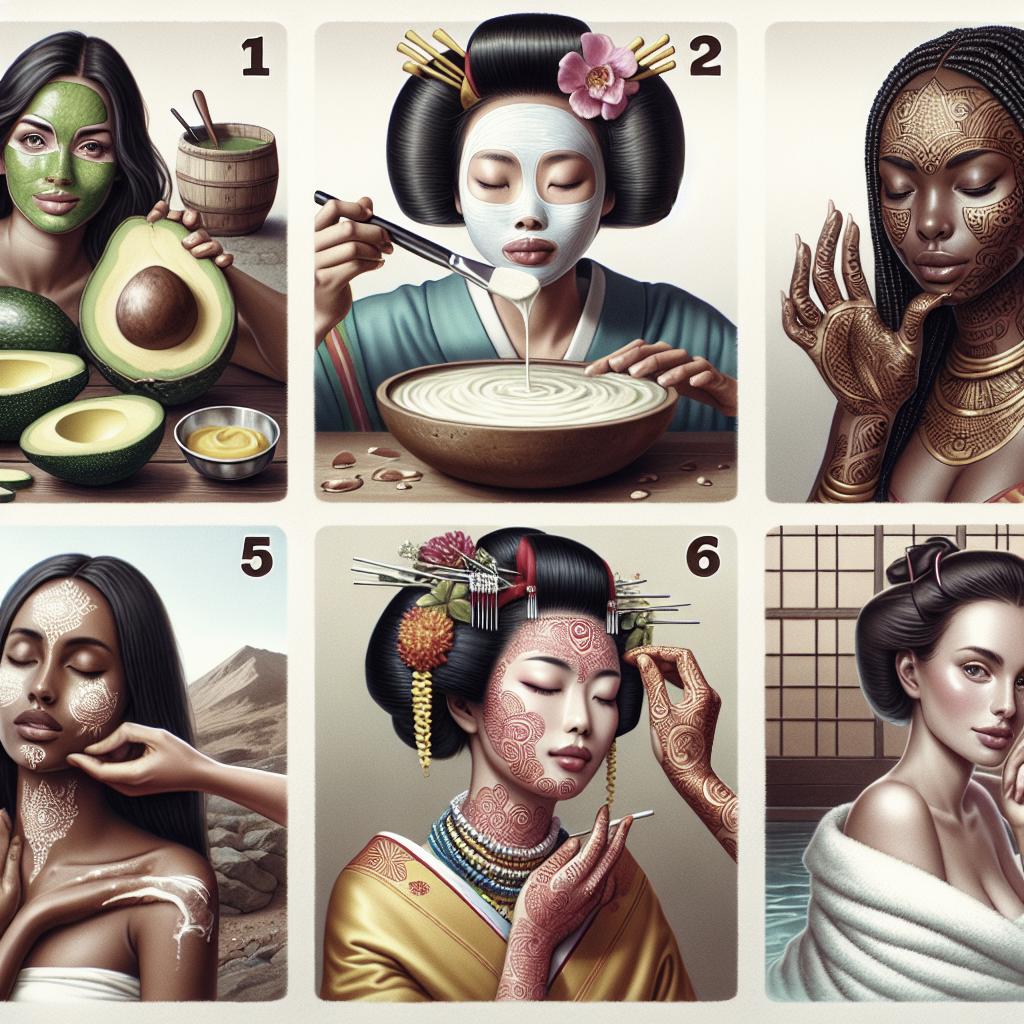
Beauty Rituals from Around the World: A Journey Through Tradition and Innovation
Discover transformative beauty secrets from ancient civilizations to modern innovations. Global beauty traditions offer time-tested solutions for radiant skin, healthy hair, and holistic wellness practices that transcend cultural boundaries.
The world of beauty encompasses diverse cultural practices, each shaped by centuries of tradition and local ingredients. From Ayurvedic treatments in India to K-beauty innovations in South Korea, these rituals reflect deep understanding of natural skincare and wellness. Modern beauty empires like Kylie Cosmetics demonstrate how traditional wisdom merges with contemporary marketing strategies to create billion-dollar brands.
Ancient Beauty Wisdom: Traditional Practices That Shaped Modern Skincare
Traditional beauty rituals form the foundation of today’s most effective skincare treatments. Ancient Egyptian queens used milk baths rich in lactic acid for gentle exfoliation, while Chinese medicine practitioners developed jade rolling techniques for lymphatic drainage. These time-honored practices demonstrate sophisticated understanding of skin physiology long before modern dermatology emerged.
Ayurvedic beauty treatments from India emphasize constitutional balance through personalized ingredient selection. Practitioners assess individual doshas (body types) to recommend specific herbs, oils, and treatments. This holistic approach considers internal health as fundamental to external beauty, incorporating turmeric for anti-inflammatory benefits, neem for purification, and sandalwood for cooling properties.
Indigenous communities worldwide developed sustainable beauty practices using local botanicals. African shea butter traditions, Amazonian plant extracts, and Pacific Island coconut oil applications showcase how geographic resources shaped regional beauty customs. These practices prioritize gentle, nourishing ingredients that work harmoniously with natural skin processes.
Kylie Cosmetics by Kylie Jenner Beauty Empire Success Secret
Kylie Jenner’s transformation from reality TV personality to beauty mogul represents strategic social media mastery combined with market timing precision. Her brand, Kylie Cosmetics, achieved unprecedented growth through direct-to-consumer marketing and influencer authenticity. The company’s valuation reached $1.2 billion by leveraging personal brand equity and millennial purchasing behaviors.
Strategic product launches create artificial scarcity that drives consumer urgency and brand desirability. Jenner’s team expertly orchestrates limited-edition collections, celebrity collaborations, and seasonal releases that generate massive social media buzz. This marketing approach transforms product launches into cultural events, with items selling out within minutes of release.
Innovation and trend responsiveness ensure Kylie Cosmetics maintains market relevance in the rapidly evolving beauty landscape. The brand continuously adapts formulations based on customer feedback, incorporates emerging color trends, and expands into new product categories. High-quality ingredients, Instagram-worthy packaging, and competitive pricing create compelling value propositions for target demographics.
Global Beauty Rituals: Regional Traditions and Their Modern Applications
Asian Beauty Philosophies: Prevention and Multi-Step Routines
Korean skincare revolutionized global beauty standards through comprehensive multi-step routines emphasizing prevention over correction. The famous 10-step K-beauty regimen includes double cleansing, toning, essence application, serums, moisturizers, and sun protection. This methodical approach prioritizes skin barrier health and long-term maintenance rather than quick fixes.
Japanese beauty culture emphasizes simplicity, quality ingredients, and consistent daily practices. Traditional Japanese skincare incorporates rice water for brightening, camellia oil for nourishment, and green tea for antioxidant protection. Modern Japanese brands like Shiseido and SK-II combine these traditional ingredients with advanced biotechnology for enhanced efficacy.
Chinese traditional medicine influences beauty practices through internal-external balance concepts. Gua sha facial massage techniques improve circulation and lymphatic drainage, while herbal formulations address specific skin concerns. Pearl powder, ginseng, and bird’s nest extracts represent premium ingredients valued for their rejuvenating properties.
Middle Eastern and African Beauty Traditions
Moroccan beauty rituals center around argan oil, often called “liquid gold” for its exceptional moisturizing and anti-aging properties. Extracted from argan tree kernels found exclusively in southwestern Morocco, this oil contains high concentrations of vitamin E, essential fatty acids, and antioxidants. Traditional hammam treatments combine argan oil with black soap and rhassoul clay for deep cleansing and hydration.
Egyptian beauty traditions dating back to Cleopatra’s era emphasize natural ingredients and luxurious treatments. Milk and honey baths provide gentle exfoliation and moisturization, while kohl application protects eyes from harsh desert conditions. Modern Egyptian skincare incorporates these ancient ingredients with contemporary formulation techniques.
Sub-Saharan African beauty practices showcase diverse botanical resources and community-based knowledge systems. Shea butter from West Africa provides intensive moisturization for dry climates, while marula oil from Southern Africa offers lightweight hydration and antioxidant protection. These ingredients have gained international recognition in premium skincare formulations.
Scientific Validation of Traditional Beauty Practices
Modern dermatological research validates many traditional beauty ingredients and techniques previously dismissed as folklore. Clinical studies demonstrate turmeric’s anti-inflammatory properties, confirming centuries of Ayurvedic usage for skin conditions. Similarly, research on fermented ingredients supports Korean skincare’s emphasis on probiotics for skin microbiome health.
Peer-reviewed studies published in the Journal of Cosmetic Dermatology (2024) confirm that traditional facial massage techniques improve blood circulation, reduce puffiness, and enhance product absorption. These findings support practices like gua sha, jade rolling, and lymphatic drainage massage that have been used for millennia.
Botanical extract research reveals sophisticated phytochemical profiles in traditional beauty ingredients. Green tea polyphenols demonstrate proven antioxidant activity, while peptides in snail secretion (used in Korean skincare) show wound healing and anti-aging benefits. This scientific validation bridges traditional wisdom with evidence-based skincare.
Leave a comment
We want to hear from you! Share your thoughts and insights about the beauty rituals that fascinate you. Do any of the traditions mentioned resonate with your personal beauty routines? How do you incorporate elements from different cultures into your beauty regimen? Whether it’s using a traditional ingredient or a modern skincare technique, we’d love to know how global beauty influences your daily practices.
Your feedback is invaluable not only to us but to our community. By commenting, you contribute to a rich exchange of ideas that deepens our understanding of the diverse ways beauty is celebrated around the world. So don’t hesitate—join the conversation and help us explore the infinite variety that beauty encompasses.
We’re also curious about your take on modern beauty brands like Kylie Cosmetics. Have you tried any of their products? Do you think their approach to marketing and product development borrows from traditional beauty practices? Share your experiences and let’s engage in a dynamic dialogue about the intersection of tradition and modernity in the global beauty landscape.
AT A GLANCE
When it comes to beauty rituals around the world, there’s an incredible diversity to behold. For instance, Japanese skincare is renowned for its multi-step routines that prioritize hydration and protection. Elements like double cleansing and layering of products ensure a radiant and youthful complexion, embodying the philosophy that beauty is a long-term commitment.
In contrast, the Moroccan tradition of using Argan oil, often referred to as “liquid gold,” focuses on simplicity and natural ingredients. Extracted from the kernels of the Argan tree, this oil is revered for its nourishing properties, used to moisturize and protect skin and hair. It’s a testament to the power of nature in enhancing beauty, a belief shared by many indigenous cultures around the world.
Then there’s Ayurveda from India, which integrates health and well-being into beauty routines. This holistic approach uses natural ingredients like turmeric, neem, and sandalwood in treatments that balance the body’s energies. Such rituals not only enhance one’s physical appearance but also promote overall harmony and wellness.
TRY BEFORE YOU BUY
Embarking on a beauty journey can be both exciting and overwhelming, especially with the myriad options available today. One essential tip for navigating this landscape is to try before you buy. Sampling products can save you from investing in formulations that may not work for your skin type or address your beauty concerns.
Many brands, aware of the importance of trials, offer mini versions of their products or provide samples with purchases. This approach allows you to test out the consistency, scent, and effectiveness of a product over a few uses. Whether it’s a foundation that matches your skin tone or a moisturizer that delivers on its promises, sampling ensures you make informed decisions.
In addition to product sampling, consider exploring beauty subscription boxes. These services deliver a curated selection of samples and full-size products to your doorstep. Subscription boxes are an excellent way to discover new brands and products without committing to a full-sized purchase, expanding your beauty knowledge while being budget-conscious.
Sustainable Beauty: Environmental Consciousness in Global Practices
Traditional beauty practices inherently embrace sustainability through local ingredient sourcing, minimal processing, and zero-waste principles. Indigenous communities developed beauty rituals using renewable resources without depleting natural ecosystems. These practices offer valuable lessons for modern beauty brands seeking environmental responsibility.
Contemporary sustainable beauty movements draw inspiration from traditional practices while addressing modern environmental challenges. Brands increasingly adopt refillable packaging, biodegradable formulations, and ethical sourcing practices. Consumer demand for clean beauty products drives innovation in sustainable ingredient development and eco-friendly manufacturing processes.
Circular economy principles in beauty manufacturing reduce waste through ingredient upcycling, packaging recycling, and product lifecycle optimization. Companies like Lush and The Body Shop pioneered sustainable beauty practices, while newer brands like Ethique and Plaine Products push boundaries with plastic-free formulations and packaging innovations.
DIY Beauty: Recreating Global Rituals at Home
Kitchen Ingredient Beauty Treatments
Common household ingredients can recreate traditional beauty treatments with remarkable effectiveness. Honey masks provide antibacterial and moisturizing benefits similar to ancient Egyptian practices. Oatmeal scrubs offer gentle exfoliation, while yogurt masks deliver probiotics and lactic acid for skin renewal.
Turmeric face masks, inspired by Indian Ayurvedic traditions, reduce inflammation and brighten complexion when combined with yogurt or honey. Green tea toners provide antioxidant protection and gentle astringent properties. These accessible ingredients allow experimentation with global beauty traditions without significant financial investment.
Safety considerations for DIY beauty treatments include patch testing, proper hygiene, and understanding ingredient interactions. Natural doesn’t always mean safe, and some traditional ingredients may cause allergic reactions or skin sensitivity. Research proper dilution ratios and application methods before trying new DIY treatments.
Professional vs. Home Treatment Effectiveness
Professional spa treatments offer concentrated formulations, specialized equipment, and expert application techniques that enhance traditional beauty ritual effectiveness. Licensed aestheticians understand skin analysis, contraindications, and customization requirements for optimal results. Professional treatments often combine multiple traditional techniques for comprehensive benefits.
Home treatments provide convenience, cost-effectiveness, and regular maintenance between professional sessions. While less concentrated than professional formulations, consistent home care maintains treatment benefits and supports long-term skin health. The key lies in understanding when professional intervention is necessary versus when home care suffices.
Future Prospects
As we look ahead, the fusion of traditional beauty rituals with modern innovation promises exciting prospects in the beauty industry. Biotechnology advances enable extraction and concentration of traditional ingredients for enhanced efficacy. Personalized beauty solutions combine ancient wisdom with genetic testing and AI-driven recommendations for customized skincare regimens.
The global exchange of ideas continues to inspire new products and techniques, offering endless possibilities for those eager to explore different beauty philosophies. Cross-cultural collaboration in beauty research accelerates ingredient discovery and application development, creating more effective and inclusive beauty solutions for diverse populations worldwide.
“`html
| Section | Content Summary |
|---|---|
| Ancient Beauty Wisdom | Explores traditional practices from Egypt, India, and indigenous communities that formed modern skincare foundations. |
| Kylie Cosmetics Success | Discusses Kylie Jenner’s strategic use of social media, product launch tactics, and innovation to dominate the beauty market. |
| Global Beauty Rituals | Details Asian, Middle Eastern, and African beauty traditions with their modern applications and scientific validation. |
| Leave a Comment | Encourages audience interaction by sharing personal beauty experiences and opinions on modern beauty brands. |
| AT A GLANCE | Highlights diverse global beauty rituals such as Japanese skincare practices, Moroccan Argan oil, and India’s Ayurvedic treatments. |
| TRY BEFORE YOU BUY | Advocates for sampling products through mini versions and subscription boxes to make informed beauty purchases. |
| Sustainable Beauty | Examines environmental consciousness in traditional practices and modern sustainable beauty movements. |
| DIY Beauty | Provides guidance for recreating global beauty rituals at home using accessible ingredients and safe practices. |
“`

