
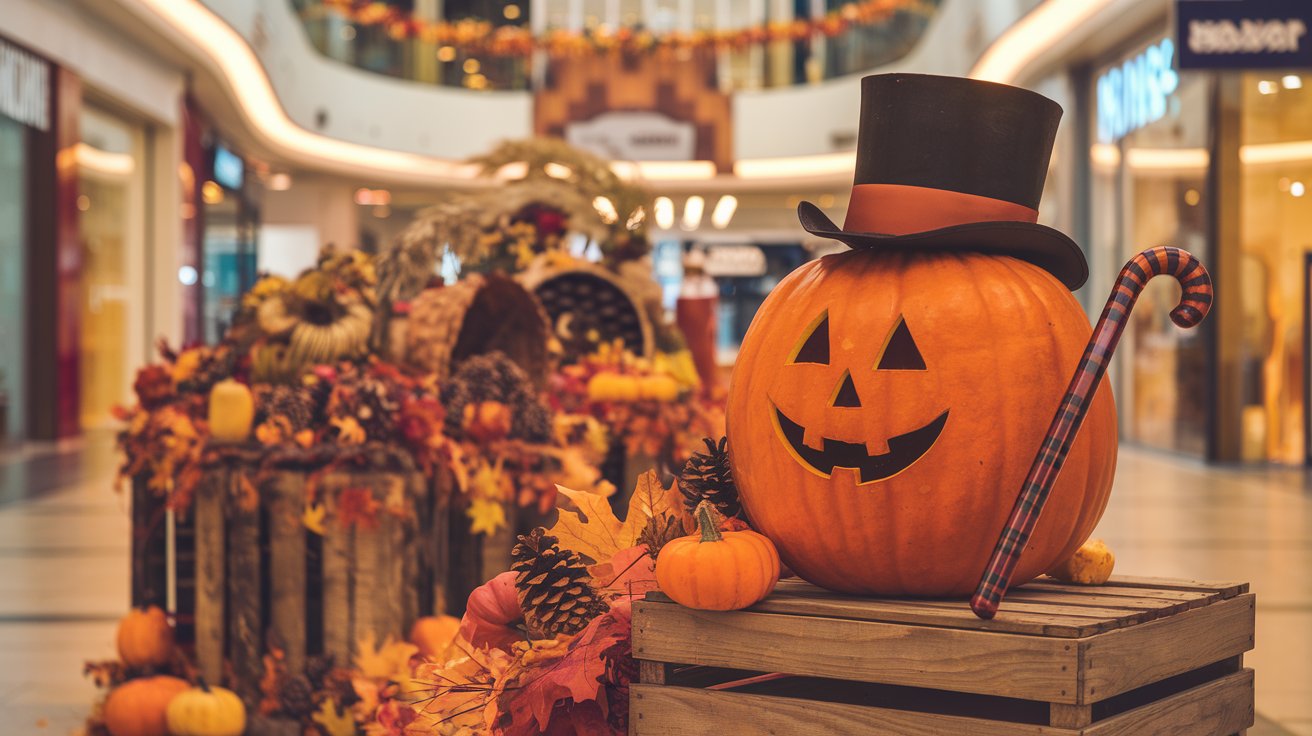
Fall clothes typically arrive in stores between mid-July and early August, with major retailers releasing their autumn collections well before the season begins. This early release allows shoppers to prepare for cooler weather and take advantage of the best selection before popular items sell out.
When Fall Clothes Hit Retail Stores in 2025
The fashion season calendar dictates that fall clothing arrives in stores much earlier than the actual autumn weather. Most major retailers like Target, Walmart, and department stores begin stocking their fall collections in mid-July through August. This timing allows consumers to shop for autumn essentials while summer items go on clearance. The fashion industry operates on a schedule that’s approximately 3-4 months ahead of the actual season, ensuring inventory is available when customers start thinking about seasonal transitions.
High-end fashion brands and luxury retailers often release their autumn winter collections even earlier, with some launching in late June or early July. Fast fashion retailers like H&M and Zara may introduce fall pieces gradually throughout August and September, continuously refreshing their inventory to match trending styles and customer demand patterns.
Fashion Industry Seasons and Release Schedule
The fashion seasons calendar operates on four main collections per year, creating a structured timeline that determines when specific clothing types reach consumers. Understanding this schedule helps shoppers time their purchases strategically and take advantage of the best selection and pricing opportunities.
Spring Summer and Autumn Winter Collections
The two primary fashion seasons are Spring/Summer and Autumn/Winter, each representing six months of the year. Spring/Summer collections typically arrive in stores from February through July, while autumn winter collections launch from August through January. These major seasons set the foundation for retail inventory planning and determine the bulk of what consumers see in stores throughout the year.
Pre Fall and Resort Collections
Pre-fall collections bridge the gap between summer and full autumn lines, arriving in stores during July and early August. These transitional pieces help consumers gradually shift from summer to fall wardrobes. Resort collections, also called cruise collections, typically launch in November and December, focusing on vacation and warm-weather destination wear for the following year.
Best Times to Start Shopping for Fall Clothes
Smart shoppers should start shopping for fall clothes in late July or early August when selection is at its peak and prices haven’t yet increased for peak season demand. This timing offers the best combination of inventory availability and competitive pricing. Many retailers offer early bird promotions during this period to encourage seasonal shopping transitions.
For budget-conscious consumers, waiting until late September or early October can yield significant savings as retailers begin clearing summer inventory and making room for holiday collections. However, this strategy risks missing out on popular sizes and trending styles that sell out quickly during the initial release period.
Why Fashion Seasons Don’t Match Weather Patterns
The biggest challenge with the fashion calendar is that fashion seasons rarely align with actual meteorological seasons or regional weather patterns. This disconnect means fall clothes appear in stores during peak summer heat, often when temperatures are still in the 80s and 90s Fahrenheit across most of the United States. The fashion industry’s advanced scheduling is designed to capture consumer attention and drive sales before competitors, rather than matching practical weather needs.
This timing mismatch affects consumer behavior significantly, as shoppers must plan ahead and purchase items they won’t wear for several weeks or months. Regional differences in climate also create complications, as fall weather arrives at different times across the country, from early September in northern states to late October or November in southern regions.
Major Retailers Fall Clothing Launch Dates
Understanding when specific retailers launch their fall collections helps consumers plan their shopping strategies effectively. Each major retailer follows a slightly different timeline based on their inventory management systems and target customer preferences.
Department Stores and Big Box Retailers
Department stores like Macy’s, Nordstrom, and Bloomingdale’s typically introduce fall clothing lines in mid to late July, with full collections available by early August. Big box retailers including Target and Walmart follow similar schedules, often launching their autumn collections during the last week of July or first week of August to coincide with back-to-school shopping seasons.
Fast Fashion and Online Retailers
Fast fashion brands like Zara, H&M, and Forever 21 often release fall clothes in smaller batches throughout August and September, allowing them to respond quickly to trending styles and customer preferences. Online retailers frequently launch their autumn collections earlier than brick-and-mortar stores, sometimes beginning in early July to capture the growing online shopping market.
Strategic Shopping Tips for Fall Fashion
Maximizing your fall wardrobe while staying within budget requires strategic timing and planning. Shopping for fall clothes effectively involves understanding retailer pricing cycles, inventory patterns, and seasonal demand fluctuations that affect both selection and cost.
Consider creating a fall clothing wishlist in early summer, then monitoring prices and availability as the season approaches. Many retailers offer email notifications for specific items, helping you track when desired pieces go on sale or become available in your size. This approach ensures you don’t miss out on must-have items while avoiding impulse purchases during peak shopping periods.
Fall Clothing Categories and Release Timing
Different types of fall clothing arrive in stores at varying times throughout the season, with basic essentials typically launching first, followed by trend-driven pieces and specialty items. Understanding these patterns helps consumers prioritize their purchases and budget accordingly.
Essential Fall Basics
Core fall essentials including sweaters, jeans, boots, and jackets usually arrive in stores during the first wave of fall collections in late July and early August. These foundational pieces form the backbone of autumn wardrobes and typically offer the best value and longevity. Retailers prioritize these items because they have broad appeal and consistent demand across different demographic groups.
Trend Pieces and Seasonal Specialties
Fashion-forward trend pieces and seasonal specialties like statement coats, designer collaborations, and holiday-themed items often arrive later in the season, typically in September and October. These items command higher prices but offer unique styling opportunities for consumers who want to stay current with fall fashion trends and make distinctive wardrobe statements.
Regional Variations in Fall Clothing Availability
Geographic location significantly impacts when and how retailers stock their fall clothing collections across the United States. Northern states typically receive autumn inventory earlier than southern regions, reflecting local climate patterns and consumer demand for cooler weather clothing. This regional strategy helps retailers optimize inventory turnover and reduce excess stock in areas where fall weather arrives later.
Coastal areas and major metropolitan markets often get priority access to new fall collections, while rural areas may experience delays of several weeks. Online shopping has somewhat leveled this playing field, allowing consumers in any location to access fall clothing as soon as it becomes available from major retailers.
Fall 2025 Fashion Trends and Shopping Predictions
Industry analysts predict that fall 2025 fashion trends will emphasize sustainability, versatility, and comfort-focused designs that reflect ongoing lifestyle changes. Expected trends include oversized blazers, earth-tone color palettes, and layering pieces that transition seamlessly from work to casual settings. These predictions help consumers make informed decisions about which fall pieces will offer the best long-term value and style relevance.
Early trend reports suggest that retailers will focus heavily on mixed-material clothing, combining traditional fall fabrics with innovative sustainable materials. This shift toward eco-friendly fashion is expected to influence pricing and availability, with sustainable pieces potentially commanding premium prices while offering superior durability and environmental benefits.
Related video about when do fall clothes come out
This video complements the article information with a practical visual demonstration.
Key Questions and Answers
When should I start shopping for fall clothes?
Start shopping for fall clothes in late July or early August when stores first release their autumn collections. This timing offers the best selection and competitive pricing before peak season demand drives up costs and reduces inventory availability.
What month do fall clothes come out?
Fall clothes typically come out in July and August, with most major retailers launching their autumn collections between mid-July and early August. Some high-end brands may release fall items as early as late June.
When should I pull out my fall clothes?
Pull out your fall clothes when nighttime temperatures consistently drop below 60°F or daytime highs stay under 75°F. This typically occurs in early to mid-September in northern states and October in southern regions of the United States.
What is fall season in fashion?
Fall season in fashion refers to the autumn/winter collections that retailers release from August through January. These collections focus on cooler weather clothing including sweaters, jackets, boots, and layering pieces designed for temperatures between 30-70°F.
Do clothing stores change seasons at the same time?
No, clothing stores don’t change seasons simultaneously. Department stores typically transition in late July, fast fashion retailers may change gradually through August and September, while discount retailers often wait until early September to maximize summer clearance sales.
Why do fall clothes come out in summer?
Fall clothes come out in summer because the fashion industry operates 3-4 months ahead of actual seasons. This advance scheduling allows retailers to capture consumer attention, manage inventory effectively, and compete for market share before competitors launch their collections.
| Shopping Period | Availability | Pricing |
|---|---|---|
| Late July – Early August | Best selection, all sizes available | Regular retail prices |
| Mid August – September | Good selection, popular items selling out | Some early promotions |
| October – November | Limited selection, clearance items | Significant discounts on remaining stock |

