
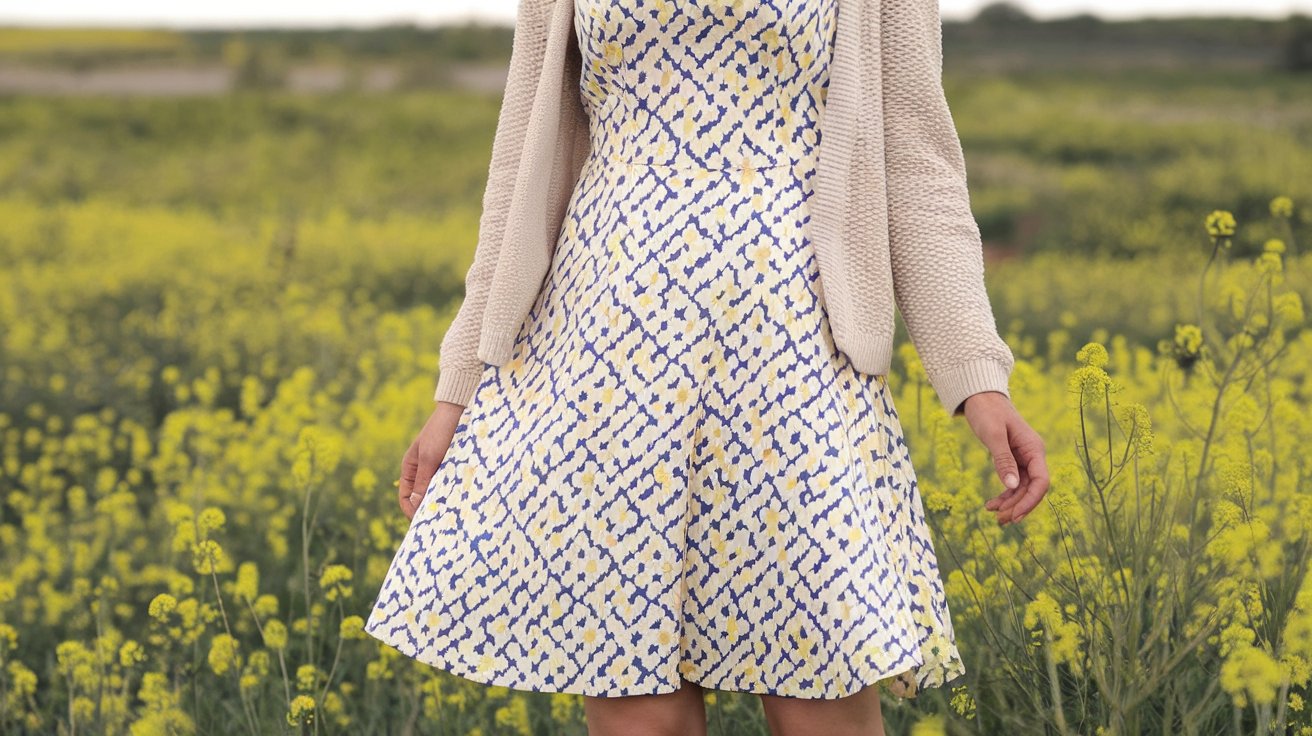
A shift dress is a simple, straight-cut garment that falls loosely from the shoulders without a defined waist. This timeless dress style has been a fashion staple since the 1920s, offering versatility and comfort for women of all body types. Unlike fitted dresses, the shift dress creates a relaxed silhouette that skims the body without clinging to curves.
What Is a Shift Dress?
A shift dress is characterized by its straight, loose-fitting silhouette that hangs from the shoulders without a defined waistline. The dress typically falls anywhere from mini to knee-length, though midi versions have gained popularity in recent years. The term shift comes from the garment’s origin as an undergarment or chemise that would ‘shift’ with the body’s movement.
Modern shift dresses feature simple construction with minimal seaming, making them easy to wear and comfortable for all-day activities. The dress style emphasizes simplicity over structure, with clean lines and a relaxed fit that doesn’t conform to the body’s natural curves. This makes the shift dress an ideal choice for both casual and professional settings.
History of the Shift Dress
The shift dress has a rich history spanning over a century, evolving from functional undergarments to iconic fashion statements. Understanding its historical context helps explain why this dress style remains relevant in contemporary fashion.
The Shift Dress in the 1920s
The shift dress first gained prominence in the 1920s during the flapper era. Designer Coco Chanel revolutionized women’s fashion by creating simple, straight-lined dresses that freed women from the restrictive corsets of previous decades. These early shift dresses symbolized women’s liberation and the desire for practical, comfortable clothing that allowed for greater freedom of movement.
The Shift Dress in the 1960s
The 1960s marked the golden age of the shift dress, with designers like Mary Quant and André Courrèges creating iconic versions that defined the mod fashion movement. During this decade, shift dresses became shorter and more youthful, reflecting the era’s emphasis on youth culture and rebellion against traditional fashion norms. The A-line and straight-cut silhouettes became synonymous with 1960s style.
Shift Dress vs Sheath Dress: Key Differences
Many people confuse shift dresses with sheath dresses, but these two styles have distinct characteristics. A shift dress hangs loosely from the shoulders without following the body’s contours, while a sheath dress fits closely to the body and follows its natural curves. The shift dress offers a more relaxed, forgiving fit that doesn’t emphasize the waist.
The construction also differs significantly between these dress types. Shift dresses typically have minimal darts or shaping, creating a boxy silhouette that’s comfortable and easy to wear. Sheath dresses, conversely, use strategic seaming and darts to create a fitted appearance that hugs the body. This fundamental difference in fit makes shift dresses more versatile for various body types and occasions.
What Body Type Looks Good in a Shift Dress?
The shift dress is remarkably flattering for multiple body types, making it one of the most democratic dress styles in fashion. Its loose-fitting nature doesn’t emphasize any particular area of the body, creating a balanced silhouette that works for various figures.
Apple Body Type
Women with apple-shaped bodies benefit greatly from shift dresses because the loose fit doesn’t cling to the midsection. The straight silhouette creates a streamlined appearance that doesn’t add bulk around the waist area. Choose shift dresses with interesting necklines or sleeve details to draw attention upward and create visual balance.
Pear Body Type
For pear-shaped figures, shift dresses help balance proportions by not emphasizing the hip area. The loose fit through the hips creates a more proportionate silhouette, while the straight lines prevent the dress from clinging to wider areas. Opt for shift dresses with embellishments or patterns on the upper half to create visual interest and balance.
Modern Shift Dress Styling for 2025
Contemporary shift dresses offer endless styling possibilities, adapting to current fashion trends while maintaining their classic appeal. In 2025, fashion experts recommend layering techniques and accessorizing strategies that modernize this timeless silhouette.
Current trends favor shift dresses in bold colors and interesting textures, with designers incorporating sustainable fabrics and innovative cuts. The modern shift dress often features updated details like asymmetrical hems, interesting sleeve treatments, or contemporary prints that keep the style fresh and relevant for today’s fashion landscape.
How to Style a Shift Dress
Styling a shift dress requires understanding how to add structure and interest to its simple silhouette. The key is to use accessories and layering pieces that complement rather than compete with the dress’s clean lines.
Professional Styling
For office wear, style your shift dress with a structured blazer and pointed-toe pumps to create a polished, professional appearance. Add a statement necklace or elegant earrings to elevate the look. The simplicity of the shift dress makes it an excellent foundation for building sophisticated work outfits that transition seamlessly from day to evening.
Casual Styling
For casual occasions, pair your shift dress with comfortable sneakers and a denim jacket for a relaxed, effortless look. Add a crossbody bag and minimal jewelry to maintain the dress’s understated elegance. This combination showcases how versatile shift dresses can be when styled down for everyday wear.
Best Fabrics for Shift Dresses
The fabric choice significantly impacts how a shift dress looks and feels. Lightweight, flowing materials like cotton, linen, and silk work best for this style because they maintain the dress’s relaxed drape without adding bulk. These fabrics allow the shift dress to move naturally with the body while maintaining its characteristic loose silhouette.
Structured fabrics like heavy cotton or wool can also work well for shift dresses, particularly in professional settings where a more polished appearance is desired. However, avoid fabrics that are too stiff or bulky, as they can make the dress look boxy rather than elegantly relaxed. The ideal fabric for a shift dress strikes a balance between structure and fluidity.
Shopping for Shift Dresses in 2025
When shopping for shift dresses in 2025, consider factors like fit, fabric quality, and versatility. The best shift dresses offer a comfortable fit through the shoulders and bust while maintaining the characteristic loose silhouette through the body. Look for quality construction with clean seams and appropriate fabric weight for your intended use.
Current market trends show increased demand for sustainable shift dresses made from eco-friendly materials. Many brands now offer shift dresses in size-inclusive ranges, recognizing that this style works well for diverse body types. Price points vary significantly, with quality options available from budget-friendly retailers to luxury designers, making shift dresses accessible to all consumers.
Related video about what is a shift dress
This video complements the article information with a practical visual demonstration.
Everything you need to know about what is a shift dress
Why do they call it a shift dress?
The term ‘shift dress’ comes from the garment’s historical origin as an undergarment called a shift or chemise. These undergarments were loose-fitting and designed to ‘shift’ or move with the body. When this simple, straight-cut silhouette moved into outerwear fashion, it retained the name ‘shift dress’ to describe its characteristic loose, flowing fit.
What body type looks good in a shift dress?
Shift dresses are universally flattering and work well for most body types, including apple, pear, and rectangle shapes. The loose-fitting silhouette doesn’t emphasize any particular area of the body, making it ideal for those who prefer a forgiving fit. The straight lines create a balanced appearance that’s comfortable and stylish for various figures.
What is the difference between a shift dress and a sheath dress?
The main difference is fit and construction. A shift dress hangs loosely from the shoulders without following body contours, while a sheath dress fits closely to the body and follows natural curves. Shift dresses have minimal shaping and create a relaxed, boxy silhouette, whereas sheath dresses use strategic seaming to create a fitted appearance.
What clothing is called a shift?
Originally, a shift was a loose-fitting undergarment worn by women, similar to a chemise or slip. In modern fashion, ‘shift’ primarily refers to shift dresses, which are simple, straight-cut garments that hang loosely from the shoulders. The term can also apply to other loose-fitting garments that share this characteristic relaxed silhouette.
How should a shift dress fit?
A shift dress should fit comfortably through the shoulders and bust without being tight, then hang loosely from these points. The dress should skim the body without clinging to curves or creating pulling across the chest or back. The hemline typically falls anywhere from mid-thigh to knee-length, depending on personal preference and the specific style.
Can you wear a belt with a shift dress?
Yes, you can wear a belt with a shift dress to add definition and create a more fitted silhouette. Adding a belt at the natural waist can transform the loose-fitting shift into a more structured look. However, this styling choice changes the fundamental characteristic of the shift dress, so consider whether you want to maintain the original relaxed silhouette or create a more defined shape.
| Key Aspect | Important Details | Benefit |
|---|---|---|
| Silhouette | Loose, straight-cut from shoulders | Comfortable, flattering for all body types |
| Versatility | Works for casual and professional settings | Cost-effective wardrobe staple |
| Styling | Easy to accessorize and layer | Creates multiple looks from one piece |
| Fabric Options | Cotton, linen, silk, wool blends | Suitable for various seasons and occasions |
| Historical Significance | Fashion icon since 1920s | Timeless style that never goes out of fashion |

