
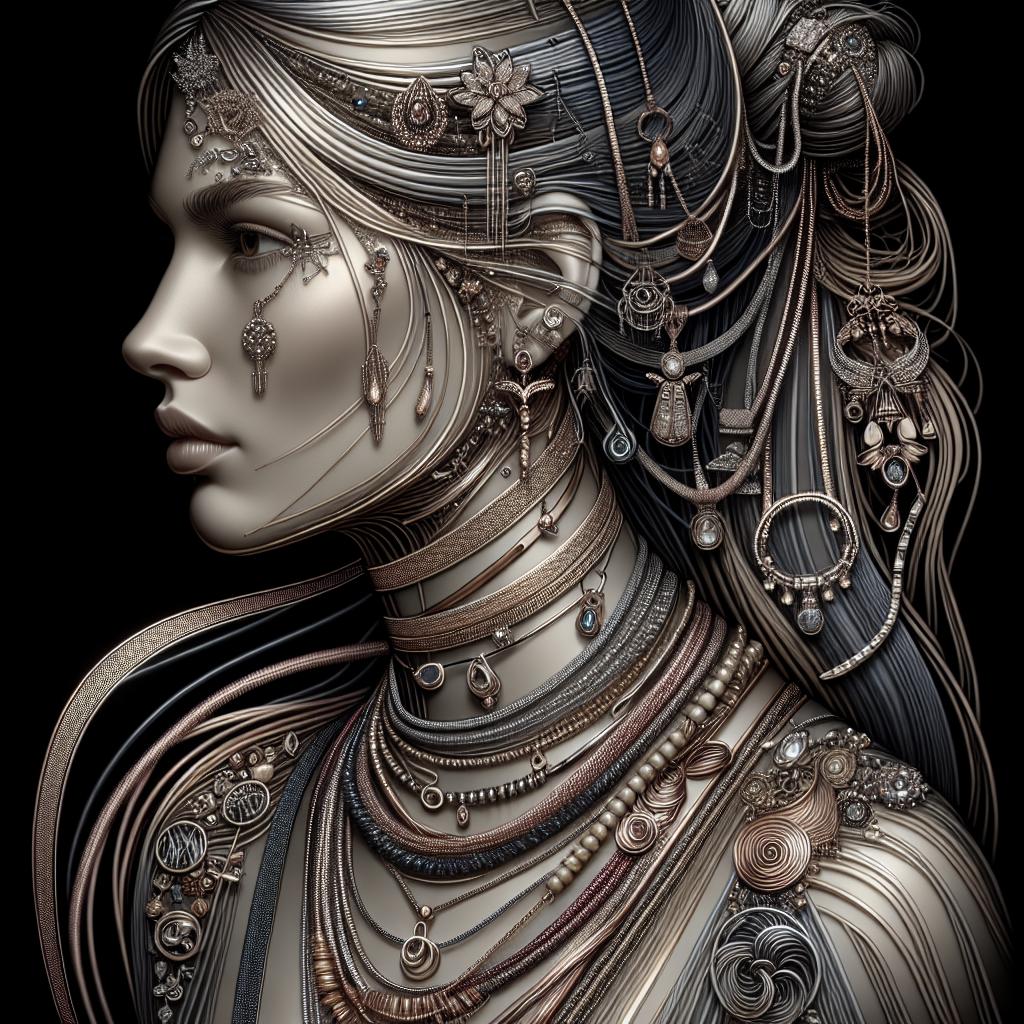
Master the sophisticated art of necklace layering to transform any outfit into a statement of personal style and elegance.
Your Shortest Necklace Is Your Base
The foundational piece in any layered necklace ensemble is your shortest necklace. Think of it as the starting point around which all other layers are organized. This piece usually sits comfortably against your collarbone and serves as the focal point for layering additional necklaces.
Start with something simple but impactful—a delicate chain, a small pendant, or even a choker can work wonders. Short necklaces create a structural base that draws attention up towards your face and frames your neckline perfectly. The key is choosing a piece that reflects your personal style while complementing the rest of your ensemble.
More importantly, it should be versatile enough to blend seamlessly with the other jewelry you intend to layer. If you’re leaning towards minimalist jewelry, a slim chain can be striking. On the other hand, if you’re feeling adventurous, a small pendant can add intrigue without overpowering your look.
Once you’ve selected your base, consider its color and material. Gold jewelry adds warmth and elegance, whilst silver jewelry offers a more understated coolness. Opt for the metal that complements your skin tone and personal style. This first necklace sets the tone for the remaining layers, guiding your selections for length, material, and style.
Less Is More
When it comes to layering necklaces, the adage “less is more” often holds true in 2025 fashion trends. While the idea might seem counterintuitive to layering, restraint can lead to a cleaner, more polished look. Overloading necklaces can turn a sophisticated ensemble into a cluttered display.
Begin by considering the number of necklaces you want to wear. Aim for around 2-4 pieces to keep your look cohesive without overwhelming the senses. Each additional necklace should amplify your outfit, not compete with it. This way, each piece is given the space it needs to shine.
Simplification doesn’t mean sacrificing style. You can still have diversity and intrigue by playing with textures and subtle variations in length, even within a limited selection. A combination of sleek chains and delicate pendants can offer plenty of variety and visual interest.
Chain Type and Placement Matter
Different chain types add character and dimensions to your layered look. From cable and curb to snake and rope chains, each type brings its own charm and complexity to the table. The key to mastering chain layering lies in understanding the visual impact of each type.
Experiment with placement by mixing chunky chains with delicate ones. The juxtaposition not only highlights the individual beauty of each chain but also adds depth and intrigue to your ensemble. Consider the positioning carefully—a thicker chain naturally belongs lower on the neck, while finer chains should sit higher.
Proper placement is equally essential for preventing tangling and creating visual harmony. Balance is important—if you’re stacking multiple pieces, ensure that no one part of the layer overpowers the others visually. Achieving the perfect placement means arranging your necklaces so they create a waterfall effect that is pleasing to the eye.
Add a Pop of Color
Use color strategically to bring a burst of life to your layered necklace look. While metal textures provide a classic foundation, adding colored gemstones or enamel pieces can elevate your ensemble to new heights in 2025 jewelry trends.
Colored gemstones such as sapphires, emeralds, or rubies introduce elegance, depth, and a hint of luxury. Alternatively, enamel pieces offer vibrant and more playful options, making them perfect for casual outings. Even a small hint of color, when thoughtfully placed, can create significant visual impact.
Remember that when adding color, it’s key to balance it with neutrals to maintain sophistication. Consider the color wheel when selecting vibrant additions—complementary colors can provide striking contrast, while analogous colors offer a more harmonious look. Small pops of color sprinkled throughout your necklace layers act like visual beacons.
Experiment With Shapes
Geometric shapes play a crucial role in creating an eye-catching layered look. Beyond traditional rounded pendants, incorporating various shapes such as triangles, squares, or abstract forms adds a unique touch to your neck styling.
Combine different shaped pieces for a visually stimulating effect. For instance, pair a circular pendant with a geometric charm or a bar necklace to create visual divergence. The mix-and-match strategy showcases refined sophistication and demonstrates your unique style sensibility.
Remember to keep the scale of the shapes in mind. While versatile, they should complement rather than compete with one another. By maintaining a cohesive theme, even with varying shapes, your jewelry stack appears deliberate and polished.
Elevate a Casual Look
Layered necklaces can instantly elevate a casual outfit from everyday to effortlessly chic. Utilizing necklaces of varying lengths and styles adds texture and visual interest without the need for flashy attire. A simple t-shirt or blouse becomes an artistic canvas.
To elevate a casual look, focus on contrast—a casual outfit pairs excellently with refined necklaces. Choose delicate chains with subtle pendants, or mix in a statement piece to transform your outfit completely. Longer chains can drape over a simple top, creating a relaxed yet elegant aesthetic.
Think of casual outfits as an opportunity for exploration. Use this palette to try out layering combinations and varied styles. The key is finding joy in expressing your personality through your accessories—layered necklaces provide versatility and creativity.
Keep Layers Dainty With Formal Wear
When it comes to formal occasions, the mantra is subtlety—elegance with a hint of allure. Layered necklaces can certainly enhance your evening wear, but the key is keeping them dainty and refined for sophisticated events.
Select necklaces with fine chains and petite, tasteful pendants when dressing formally. Incorporate a bit of sparkle, perhaps with small diamonds or crystals, to catch the light subtly and add glamor. This approach highlights your neckline delicately, complementing even elaborate gowns.
The goal is having your necklaces enhance your look rather than being the focus. Balance is essential—you don’t want an understated outfit swamped by excessive bold jewelry. Choose modest but impactful pieces to maintain an elegant silhouette.
Common Layering Mistakes to Avoid
Many jewelry enthusiasts make critical errors when layering necklaces that can ruin an otherwise perfect look. Understanding these pitfalls helps you achieve professional-level styling results every time.
Tangling issues are the most common problem. Avoid necklaces that are too similar in length—maintain at least 2-3 inches between each layer. Choose different chain weights to prevent constant knotting and frustration throughout the day.
Another frequent mistake is metal mixing without intention. While mixing metals can look stunning, it requires careful consideration of undertones and proportions. Start with one dominant metal and add accent pieces in complementary tones for sophisticated contrast.
Seasonal Layering Trends for 2025
2025 jewelry trends emphasize sustainable materials and personalized styling approaches. Current seasonal preferences show a shift toward meaningful, versatile pieces that transition seamlessly between occasions and weather changes.
Spring and summer layering focuses on lighter, more delicate pieces with natural gemstones and organic shapes. Think pearl accents, shell pendants, and botanical-inspired designs that complement flowing fabrics and lighter color palettes.
Fall and winter trends lean toward richer metals, deeper gemstone colors, and slightly heavier chain weights. Layering with warm-toned metals like rose gold and incorporating amber, garnet, or deep blue stones creates seasonal sophistication.
Meet the Expert
To round out this guide, we turn to jewelry expert Sara Thompson, who has spent over a decade in the jewelry-making industry and specializes in personalized style consultations. Thompson emphasizes the importance of understanding one’s own style before diving into the layering process.
“Layering necklaces is a personal art form,” she shares. “It’s about expressing who you are without saying a word.” According to Thompson, the biggest mistake people make is overcomplicating the layers, leading to a tangled mess.
Instead, she suggests starting small and getting more adventurous as you become more comfortable. Patience and practice are key. As Thompson points out, “Your necklaces should tell your story, each layer a chapter written in your own unique style language.”
Thompson suggests keeping a curated selection of pieces that can easily interchange. This allows for variations without overwhelming decision-making. With a keen eye on preserving balance, Sara underscores, “Great layering is all about harmony—each piece works together to enhance the ensemble, not compete against it.”
Care and Maintenance for Layered Jewelry
Proper jewelry care becomes even more critical when layering multiple necklaces regularly. Different metals and gemstones require specific maintenance approaches to preserve their beauty and prevent damage from constant contact.
Store layered sets separately using jewelry organizers with individual compartments. This prevents scratching, tangling, and chemical reactions between different metals. Consider investing in anti-tarnish strips for silver pieces and proper storage boxes for delicate gemstones.
Clean your necklaces regularly using appropriate methods for each material. Gold jewelry can handle gentle soap solutions, while silver requires specialized polishing cloths. Pearls and delicate gemstones need extra care with soft, damp cloths only.
Building Your Layering Collection
Creating a versatile necklace collection for layering requires strategic planning and investment in quality pieces. Start with foundational elements that work across multiple styling scenarios and gradually add specialty pieces for specific looks.
Essential pieces include: a simple chain necklace in your preferred metal, a delicate pendant necklace, a longer chain for dramatic layering, and one statement piece for special occasions. These four elements provide endless combination possibilities.
Consider your lifestyle and wardrobe when building your collection. Professional environments may require more subtle layering options, while creative fields allow for bolder experimentation. Invest in quality pieces that will maintain their appearance through regular wear.
| Aspect | Key Points |
|---|---|
| Your Shortest Necklace Is Your Base | Use your shortest necklace as an anchor; choose simple yet impactful pieces, with attention to material and color. |
| Less Is More | Limit the number of necklaces, aiming for 2-4 to avoid cluttering; mix textures for diversity within simplicity. |
| Chain Type and Placement Matter | Balance different chain types to add character; placement should prevent tangling and ensure aesthetic appeal. |
| Add a Pop of Color | Integrate gemstone or enamel pieces for an added burst of color; use color theory principles to ensure harmony. |
| Experiment With Shapes | Incorporate various shapes for intrigue; keep scale in mind to maintain cohesion. |
| Elevate a Casual Look | Enhance basic outfits with layered necklaces; use longer chains for a relaxed, chic style. |
| Keep Layers Dainty With Formal Wear | Select fine chains and understated pendants to maintain elegance without overshadowing formal wear. |
| Expert Advice | Use layering as a narrative of personal style; start simple, add complexity over time, seek balance. |
Equipped with these insights, feel free to explore and experiment, turning every necklace layering occasion into an opportunity to showcase your evolving personal style narrative. Remember that mastering this art form takes practice, but the results are worth the investment in time and quality pieces.

