
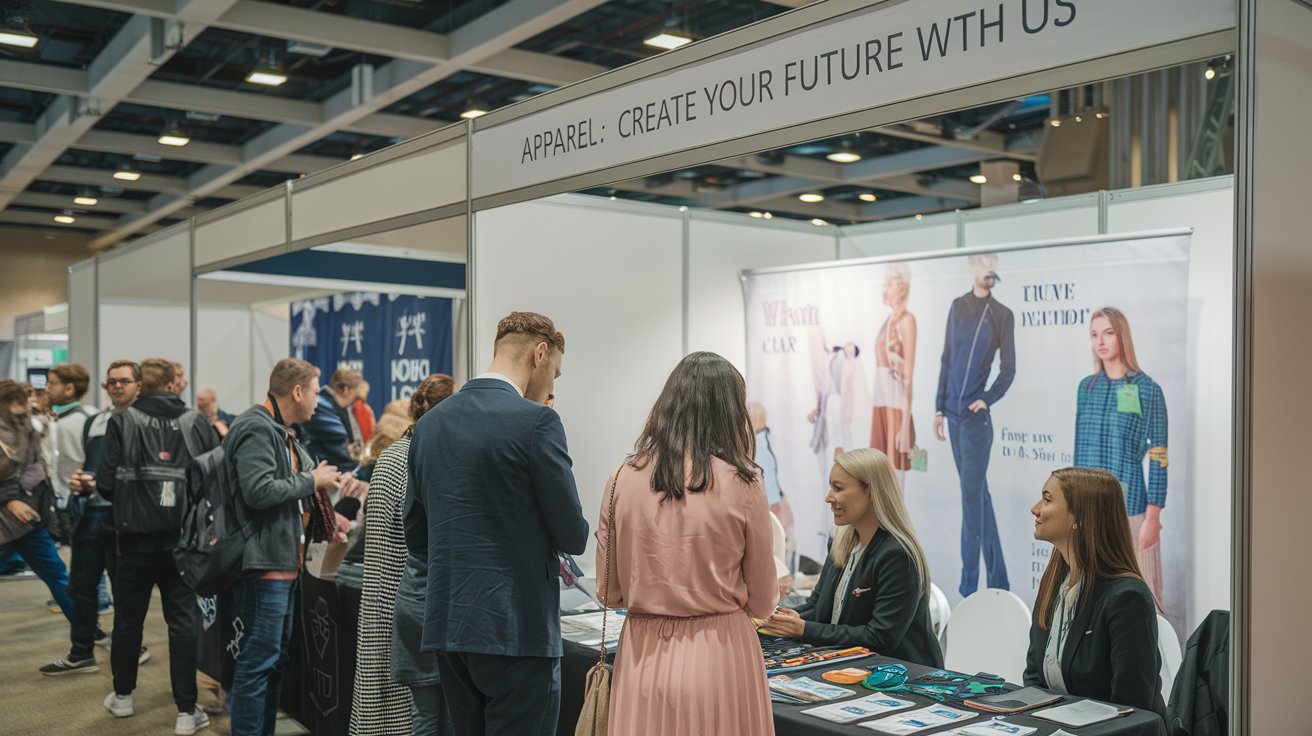
The apparel industry offers diverse career opportunities across design, manufacturing, retail, and marketing sectors. With over 1.8 million people employed in clothing and accessories retail alone, plus thousands more in fashion design, manufacturing, and related fields, the industry provides substantial employment opportunities for job seekers in 2025.
Apparel Industry Employment Overview in 2025
The United States apparel industry employs approximately 2.3 million people across all sectors, including retail, manufacturing, design, and distribution. This figure represents a significant portion of the broader fashion industry workforce, which continues to grow despite economic challenges. The garment industry alone accounts for over 75,000 manufacturing jobs, while retail positions dominate the employment landscape with more than 1.8 million workers.
Current fashion industry statistics show that the sector generates over $370 billion annually in the United States, supporting millions of direct and indirect jobs. The industry’s resilience during economic fluctuations makes it an attractive career choice for many people seeking stable employment opportunities in 2025.
Types of Jobs Available in Apparel Industry
The apparel market offers diverse career paths spanning creative, technical, and business roles. Understanding these job categories helps job seekers identify opportunities that match their skills and interests in the evolving fashion landscape.
Retail and Sales Positions
Retail jobs represent the largest segment of apparel employment, with over 1.8 million workers in clothing and accessories stores nationwide. Sales associates, store managers, cashiers, and visual merchandisers form the backbone of apparel retail operations. These positions typically require strong customer service skills and product knowledge, offering entry-level opportunities with potential for advancement to management roles.
Design and Creative Roles
Fashion designers and creative professionals represent approximately 25,000 specialized positions in the apparel industry. This category includes fashion designers, textile designers, pattern makers, and fashion illustrators. While fewer in number compared to retail positions, these roles often require specific education and training, with median salaries ranging from $45,000 to $85,000 annually depending on experience and location.
Manufacturing and Production Employment
The garment industry manufacturing sector employs over 75,000 workers across textile mills, apparel manufacturing facilities, and related production operations. These jobs include machine operators, quality control specialists, production supervisors, and technical designers. Manufacturing roles often provide stable employment with opportunities for skill development and career progression within production environments.
Many manufacturing positions offer competitive wages and benefits, particularly in specialized areas like technical textiles and sustainable production methods. The industry’s focus on automation and efficiency creates opportunities for workers with technical skills and adaptability to new technologies in apparel production.
How Big is the Apparel Industry Employment Market
The apparel industry ranks among the largest employers in the United States retail sector, with significant growth potential through 2025. Industry analysis reveals that clothing and accessories retail alone supports over 1.8 million jobs, while the broader fashion ecosystem includes additional employment in marketing, logistics, e-commerce, and supply chain management.
Current market research indicates that fashion industry statistics show consistent job creation despite technological changes and market shifts. The industry’s adaptation to digital commerce and sustainable practices creates new job categories while maintaining traditional employment opportunities for diverse skill sets.
Job Openings and Hiring Trends for Fashion Designers
The Bureau of Labor Statistics projects moderate growth for fashion designers through 2025, with approximately 2,500 annual job openings expected across the profession. While competition remains intense for high-profile positions, opportunities exist in various sectors including mass market retailers, specialty brands, and emerging sustainable fashion companies.
Many fashion design positions now require digital skills, sustainability knowledge, and understanding of global supply chains. Entry-level designers often start in assistant roles or with smaller brands before advancing to senior design positions at established companies.
Qualifications Needed for Apparel Industry Jobs
Educational requirements vary significantly across apparel industry positions, from high school diplomas for entry-level retail roles to bachelor’s degrees for design and management positions. Most retail positions provide on-the-job training, while technical roles may require specialized certifications or vocational training.
Entry-Level Position Requirements
Entry-level apparel jobs typically require minimal formal education, focusing instead on customer service skills, reliability, and willingness to learn. Sales associates, cashiers, and stock workers often receive comprehensive training from employers, making these positions accessible to people with diverse educational backgrounds.
Professional and Technical Qualifications
Advanced positions in fashion design, merchandising, and management typically require bachelor’s degrees in relevant fields. Technical roles may need specialized training in areas like pattern making, textile technology, or supply chain management. Many professionals also pursue continuing education to stay current with industry trends and technologies.
Career Advancement Opportunities in Apparel
The apparel industry offers clear advancement pathways for motivated workers, with many executives and managers starting in entry-level positions. Retail workers can advance to supervisor, assistant manager, and store manager roles, while some transition to corporate positions in buying, merchandising, or marketing.
Professional development programs and internal promotion policies make the fashion industry attractive for long-term career growth. Many companies invest in employee training and education, supporting workers who demonstrate commitment and performance in their roles.
Regional Job Distribution and Market Analysis
Apparel employment concentrates in major metropolitan areas, with New York, Los Angeles, and Atlanta leading in fashion industry jobs. However, retail positions exist nationwide, providing local employment opportunities in communities across the United States. The industry’s geographic diversity ensures job availability regardless of location.
E-commerce growth has created new employment hubs in logistics and fulfillment centers, expanding apparel industry opportunities beyond traditional fashion capitals. This trend continues to reshape the geographic distribution of fashion-related employment in 2025.
Salary Expectations and Compensation Trends
Compensation in the apparel industry varies widely based on role, experience, and location. Entry-level retail positions typically start at minimum wage, while experienced sales associates and supervisors earn $25,000-$35,000 annually. Management roles and specialized positions command significantly higher salaries, with store managers earning $40,000-$60,000 and fashion designers earning $45,000-$85,000 or more.
The industry’s compensation structure often includes performance incentives, employee discounts, and advancement opportunities that enhance total compensation packages. Many companies also offer benefits packages competitive with other retail and manufacturing sectors.
Future Growth and Industry Outlook
The apparel industry continues evolving with technological advances, sustainability initiatives, and changing consumer preferences. These trends create new job categories while transforming existing roles, ensuring continued employment opportunities for adaptable workers. Industry projections suggest stable to moderate growth through 2025, with particular strength in e-commerce and sustainable fashion segments.
Emerging technologies like 3D design, virtual fitting, and supply chain automation will likely create new technical positions while requiring existing workers to develop new skills. The industry’s focus on sustainability and ethical production also generates opportunities for professionals with environmental and social responsibility expertise.
Related video about how many jobs are available in apparel
This video complements the article information with a practical visual demonstration.
Most asked questions about how many jobs are available in apparel
How many people work in the apparel industry in the United States?
Approximately 2.3 million people work in the US apparel industry across all sectors, including 1.8 million in retail, 75,000 in manufacturing, 25,000 in design, and hundreds of thousands in related fields like marketing, logistics, and e-commerce.
What types of jobs are most common in the apparel industry?
Retail positions dominate apparel employment, including sales associates, cashiers, store managers, and visual merchandisers. These roles account for over 75% of industry jobs, followed by manufacturing, design, and corporate positions.
Are there good career advancement opportunities in apparel?
Yes, the apparel industry offers excellent advancement opportunities. Many executives started in entry-level positions, and companies frequently promote from within. Clear pathways exist from sales associate to management, with additional opportunities in corporate roles.
What education do I need to work in the apparel industry?
Education requirements vary by position. Entry-level retail jobs typically require only a high school diploma, while design and management positions usually need bachelor’s degrees. Technical roles may require specialized training or certifications.
How much do apparel industry jobs pay?
Salaries range from minimum wage for entry-level positions to $85,000+ for experienced designers and managers. Sales associates typically earn $20,000-$30,000, store managers $40,000-$60,000, and fashion designers $45,000-$85,000 annually.
Is the apparel industry growing in 2025?
The apparel industry shows stable to moderate growth with strong e-commerce expansion and sustainability trends creating new opportunities. While some traditional retail positions face challenges, overall employment remains steady with emerging roles in digital and sustainable fashion.
| Job Category | Employment Numbers | Growth Outlook |
|---|---|---|
| Retail Sales | 1.8 million workers | Stable with e-commerce growth |
| Manufacturing | 75,000 workers | Moderate growth in specialty areas |
| Fashion Design | 25,000 workers | Competitive with selective growth |
| Management | 200,000+ workers | Strong advancement opportunities |

