
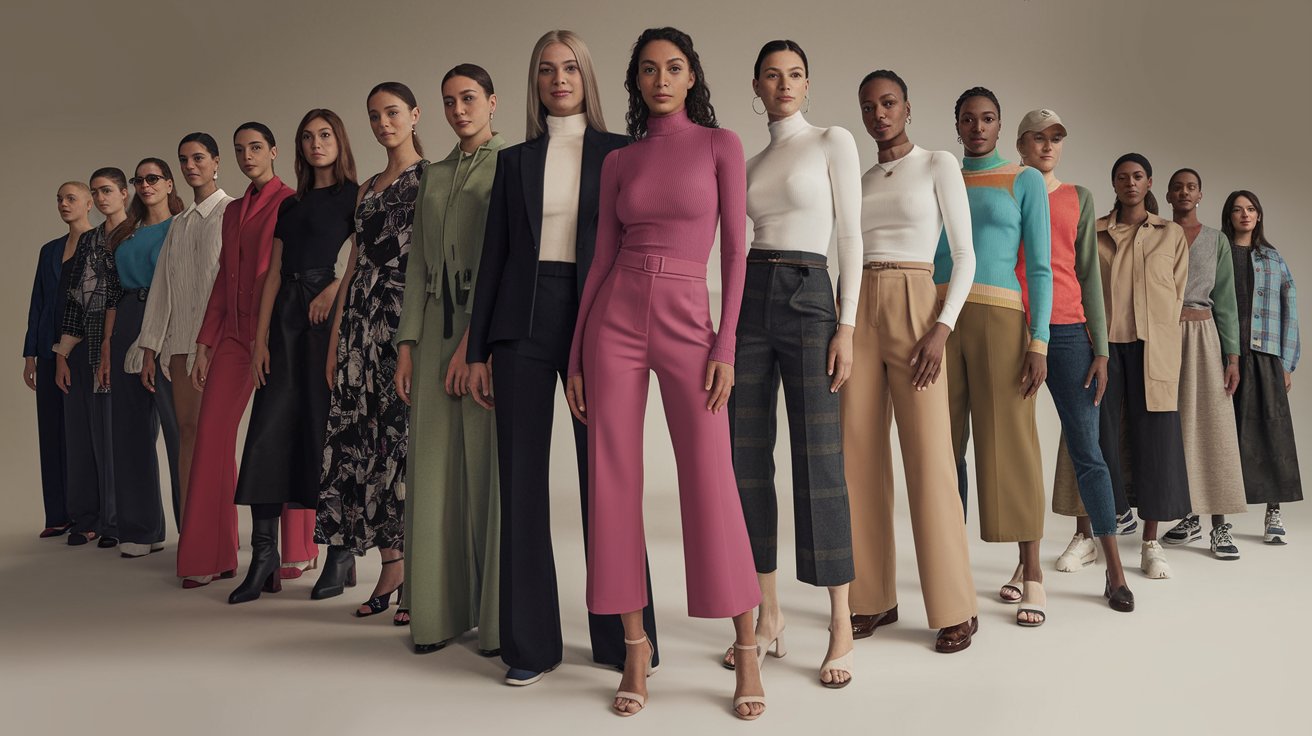
The top 100 women’s clothing brands represent the pinnacle of fashion innovation, quality craftsmanship, and style excellence in 2025. From luxury powerhouses to emerging sustainable labels, these brands define what modern women wear across the United States, offering everything from high-end designer pieces to accessible everyday fashion.
What Are the Best Women’s Clothing Brands in 2025?
The best women’s clothing brands combine exceptional design, quality materials, and cultural relevance to create lasting impact in the fashion industry. These brands consistently deliver collections that resonate with diverse demographics while maintaining their unique aesthetic identity. In 2025, the most successful brands demonstrate adaptability to changing consumer preferences, incorporating sustainable practices and digital innovation into their business models.
Market research indicates that popular fashion brands in the United States generate over $368 billion annually, with women’s clothing representing approximately 65% of this market. The top-performing brands excel in multiple categories including design innovation, brand recognition, customer loyalty, and retail presence both online and offline.
Luxury Fashion Brands Leading the Market
Premium luxury fashion brands continue to dominate the high-end market with their exceptional craftsmanship and exclusive designs. These brands command premium pricing due to their heritage, quality materials, and limited production runs that create desirability among affluent consumers.
Top International Luxury Brands
International luxury brands like Chanel, Hermès, and Louis Vuitton maintain their position as top 100 luxury fashion brands through decades of consistent excellence. These French houses are joined by Italian powerhouses including Gucci, Prada, and Versace, which collectively represent over 40% of the global luxury fashion market. Their success stems from meticulous attention to detail, exclusive materials, and celebrity endorsements that reinforce their aspirational appeal.
American Luxury Fashion Houses
American luxury brands including Ralph Lauren, Calvin Klein, and Michael Kors represent the top 100 women’s clothing brands in usa with their sophisticated approach to ready-to-wear fashion. These brands successfully blend American lifestyle aesthetics with international luxury standards, generating combined revenues exceeding $15 billion annually in the United States market.
High-Street and Contemporary Fashion Brands
Contemporary and high-street brands bridge the gap between luxury and mass market, offering high quality fashion at accessible price points. These brands excel at trend interpretation, bringing runway-inspired designs to mainstream consumers within weeks of fashion shows.
Leading Contemporary Brands
Brands like Zara, H&M, and Uniqlo represent the most popular fashion brands in the contemporary segment, with Zara alone generating over $20 billion in annual revenue globally. These brands leverage fast fashion principles while increasingly incorporating sustainable practices to meet evolving consumer expectations. Their success lies in rapid trend adoption, global supply chain efficiency, and strategic store placement in high-traffic urban locations.
American Contemporary Leaders
American contemporary brands including Gap, Banana Republic, and J.Crew maintain strong positions among the top 100 women’s clothing brands online through their omnichannel retail strategies. These brands successfully adapted to digital commerce trends, with online sales representing 35-45% of their total revenue in 2025.
Sportswear and Activewear Dominance
The activewear segment represents one of the fastest-growing categories within women’s fashion, with top sportswear brands experiencing double-digit growth rates. This trend reflects the increasing integration of athletic wear into everyday fashion, driven by health consciousness and lifestyle changes accelerated by remote work trends.
Leading brands in this category include Nike, Adidas, and Lululemon, which collectively control over 60% of the premium activewear market. These brands invest heavily in performance technology, sustainable materials, and influencer partnerships to maintain their competitive edge.
Denim and Casual Wear Specialists
Denim brands occupy a unique position within the top 100 women’s clothing brands in the world, with specialists like Levi’s, Wrangler, and premium labels such as Citizens of Humanity leading the market. The global denim market is valued at approximately $76 billion, with women’s denim representing 55% of this market.
These brands differentiate themselves through fit innovation, sustainable production methods, and collaboration with fashion influencers. Premium denim brands command prices ranging from $150-$400 per pair, while maintaining strong brand loyalty among fashion-conscious consumers.
Designer and Niche Fashion Brands
Niche and designer brands carve out specialized market segments by focusing on specific aesthetics, demographics, or values. These brands often pioneer trends that larger companies later adopt, making them influential despite smaller market shares.
Emerging Designer Brands
Emerging designers increasingly leverage social media platforms to build brand recognition, with many achieving significant success through Instagram and TikTok marketing. These top female clothing brands often focus on inclusivity, sustainability, and direct-to-consumer sales models that allow for higher profit margins and closer customer relationships.
Specialty Niche Brands
Specialty brands focusing on specific categories like lingerie, maternity wear, or plus-size fashion represent important segments within the broader top 200 luxury fashion brands ecosystem. These brands often achieve higher customer loyalty rates due to their specialized expertise and targeted marketing approaches.
Sustainable and Eco-Friendly Fashion Leaders
Sustainability has become a crucial factor in brand selection, with 73% of American consumers willing to pay premium prices for environmentally responsible fashion. Sustainable clothing brands are gaining market share by addressing environmental concerns while maintaining style and quality standards.
Brands like Patagonia, Eileen Fisher, and Reformation lead the sustainable fashion movement, implementing circular economy principles, ethical labor practices, and transparent supply chain reporting. These brands demonstrate that environmental responsibility and commercial success can coexist in the modern fashion industry.
Digital-First and Direct-to-Consumer Brands
The rise of digital-first brands represents a significant shift in the fashion industry, with many top 100 women’s clothing brands online achieving remarkable success through e-commerce platforms. These brands leverage data analytics, personalization technology, and social media marketing to build strong customer relationships without traditional retail overhead.
Brands like Glossier, Everlane, and Warby Parker pioneered the direct-to-consumer model, achieving valuations exceeding $1 billion through innovative digital marketing strategies and customer-centric approaches. Their success has inspired traditional brands to strengthen their digital presence and adopt similar customer engagement strategies.
Related video about top 100 women’s clothing brands
This video complements the article information with a practical visual demonstration.
Important things to know about top 100 women’s clothing brands
What are the best women’s clothing brands in 2025?
The best women’s clothing brands in 2025 include luxury leaders like Chanel and Hermès, contemporary favorites like Zara and H&M, activewear giants like Nike and Lululemon, and emerging sustainable brands like Reformation and Everlane. These brands excel in quality, design innovation, and customer satisfaction across different price points.
What are the 10 most popular fashion brands?
The 10 most popular fashion brands globally are Nike, Adidas, Zara, H&M, Uniqlo, Levi’s, Gap, Ralph Lauren, Calvin Klein, and Michael Kors. These brands achieve popularity through widespread availability, consistent quality, trend-forward designs, and strong brand recognition across multiple demographics.
What is the #1 clothing brand in the world?
Nike holds the position as the #1 clothing brand globally by revenue, generating over $50 billion annually. The brand’s dominance stems from its strong presence in both athletic and lifestyle segments, innovative product development, celebrity endorsements, and successful global marketing campaigns.
What brand of clothing is high quality?
High quality clothing brands include luxury labels like Hermès, Chanel, and Brunello Cucinelli, premium contemporary brands like Theory and Eileen Fisher, and heritage brands like Burberry and Ralph Lauren. These brands use superior materials, skilled craftsmanship, and rigorous quality control processes.
Which women’s clothing brands offer the best value?
Brands offering the best value include Uniqlo for basics, Zara for trendy pieces, Nordstrom Rack for designer discounts, Everlane for transparent pricing, and COS for minimalist designs. These brands balance quality, style, and affordability while maintaining ethical production standards.
What are the top sustainable women’s clothing brands?
Top sustainable women’s clothing brands include Patagonia for outdoor wear, Reformation for trendy pieces, Eileen Fisher for timeless designs, Stella McCartney for luxury sustainable fashion, and Everlane for transparent supply chains. These brands prioritize environmental responsibility and ethical labor practices.
| Brand Category | Key Characteristics | Consumer Benefits |
|---|---|---|
| Luxury Brands | Premium materials, exclusive designs, heritage craftsmanship | Status symbol, exceptional quality, investment pieces |
| Contemporary Brands | Trend-forward designs, accessible pricing, global availability | Style variety, affordability, frequent new collections |
| Activewear Brands | Performance technology, versatile styling, comfort focus | Multi-functional wear, health support, lifestyle integration |
| Sustainable Brands | Eco-friendly materials, ethical production, transparency | Environmental consciousness, ethical shopping, durability |

