
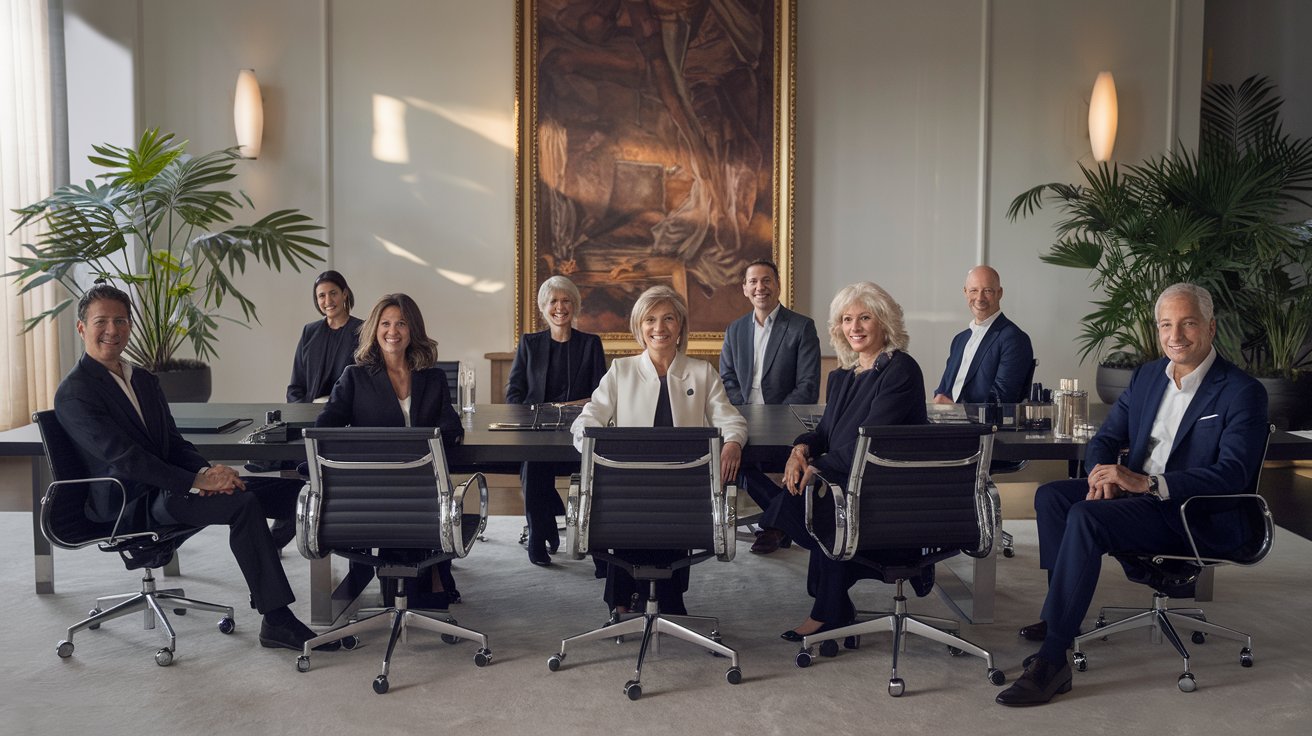
The Estée Lauder board of directors represents one of the most influential leadership structures in the global cosmetics industry. With William P. Lauder serving as Executive Chairman and the founding family maintaining significant control, this board oversees operations across multiple luxury beauty brands including MAC, Clinique, and Too Faced. Understanding the board composition provides insight into the strategic direction of this $16 billion beauty empire.
Current Estée Lauder Board of Directors 2025
The Estée Lauder Companies board of directors consists of twelve distinguished members who bring diverse expertise from finance, technology, retail, and international business. The board includes both family members and independent directors, ensuring a balance between legacy leadership and fresh perspectives. William P. Lauder serves as Executive Chairman, while the board maintains strong representation from the founding Lauder family alongside accomplished external directors.
The current board composition reflects the company’s commitment to diversity and expertise in global markets. Independent directors bring experience from major corporations including Goldman Sachs, McKinsey & Company, and various international luxury brands. This structure supports the company’s expansion into emerging markets while maintaining its premium positioning in established territories like the United States and Europe.
Executive Chairman William P. Lauder
William P. Lauder serves as Executive Chairman of the Estée Lauder Companies, representing the third generation of family leadership. As the grandson of founder Estée Lauder, William brings decades of experience in beauty industry operations and strategic planning. His leadership focuses on digital transformation, sustainability initiatives, and expanding the company’s presence in Asian markets, particularly China and South Korea.
Leonard A. Lauder’s Continuing Influence
Leonard A. Lauder continues to serve on the board as Chairman Emeritus, providing institutional knowledge and strategic guidance. As Estée Lauder’s son and former CEO, Leonard transformed the company from a family business into a global beauty conglomerate. His ongoing involvement ensures continuity in the company’s luxury positioning and commitment to innovation in skincare and makeup technologies.
Independent Directors and Their Expertise
The independent directors on the Estée Lauder board bring specialized knowledge from various industries crucial to the company’s success. These directors provide oversight on executive compensation, audit functions, and strategic planning while maintaining independence from family interests. Their diverse backgrounds include experience in technology, international finance, retail operations, and consumer goods marketing.
Recent additions to the board include leaders with expertise in digital commerce and sustainability, reflecting the company’s strategic priorities for 2025 and beyond. These directors help navigate challenges in e-commerce growth, supply chain optimization, and environmental responsibility while maintaining the brand’s luxury positioning in competitive markets.
Financial and Audit Expertise
The board includes several directors with extensive financial and audit experience, ensuring robust oversight of the company’s $16 billion in annual revenue. These directors typically serve on the Audit Committee and bring experience from major accounting firms, investment banks, and multinational corporations. Their expertise proves essential in managing complex international operations and regulatory compliance across multiple markets.
Technology and Digital Transformation Leaders
Several board members possess significant technology and digital expertise, crucial for the company’s ongoing digital transformation initiatives. These directors help guide investments in artificial intelligence, augmented reality beauty applications, and e-commerce platforms. Their experience supports the company’s goal of increasing digital sales to 50% of total revenue by 2025.
Board Governance and Committee Structure
The Estée Lauder board governance structure includes several specialized committees that oversee specific aspects of company operations. The Audit Committee ensures financial transparency and compliance, while the Compensation Committee manages executive pay and incentive programs. The Nominating and Corporate Governance Committee focuses on board composition and corporate responsibility initiatives.
Board meetings typically occur quarterly with additional sessions as needed for strategic planning and major decisions. The governance structure emphasizes transparency and accountability while maintaining the family’s vision for long-term growth and brand integrity. This approach has helped the company navigate challenges including the COVID-19 pandemic and increasing competition in the beauty industry.
Ownership Structure and Family Control
The Lauder family ownership structure maintains significant control over the company through both Class A and Class B shares. The family controls approximately 87% of voting power through Class B shares, while Class A shares trade publicly on the New York Stock Exchange. This dual-class structure allows the family to maintain strategic control while providing public investors with ownership opportunities.
This ownership model enables long-term strategic planning without the pressure of short-term earnings expectations that often affect public companies. The family’s commitment to maintaining control ensures consistency in brand values and strategic direction across multiple luxury beauty brands and international markets.
Public vs. Private Ownership Benefits
The combination of family control and public ownership provides unique advantages for the Estée Lauder Companies. Family oversight ensures consistent brand values and long-term vision, while public ownership provides access to capital markets for expansion and acquisitions. This structure has enabled successful acquisitions of brands like Tom Ford Beauty and continued investment in emerging markets.
Succession Planning and Future Leadership
The board actively manages succession planning to ensure smooth transitions in leadership positions. With multiple family members involved in various aspects of the business, the board works to develop the next generation of leaders while maintaining professional management standards. This approach balances family legacy with the need for specialized expertise in an increasingly complex global beauty market.
Executive Leadership Team and CEO Structure
The Estée Lauder executive team operates under the guidance of the board of directors, with CEO Fabrizio Freda leading day-to-day operations. Freda, who joined the company in 2008, has overseen significant growth in international markets and digital channels. The executive team includes leaders responsible for specific regions, brand portfolios, and functional areas such as supply chain and technology.
Recent leadership changes reflect the company’s focus on digital transformation and sustainability. New executive appointments include specialists in e-commerce, data analytics, and environmental responsibility. These leaders work closely with the board to implement strategic initiatives while maintaining the company’s commitment to luxury positioning and product quality.
Board Compensation and Director Benefits
Director compensation at Estée Lauder includes both cash and equity components, aligning board member interests with long-term shareholder value. Annual retainers for independent directors typically range from $100,000 to $150,000, with additional compensation for committee chairs and meeting attendance. Equity compensation often includes restricted stock units that vest over multiple years.
The compensation structure reflects the company’s commitment to attracting qualified directors while maintaining cost-effectiveness. Board members also receive comprehensive liability insurance and access to continuing education programs focused on corporate governance, industry trends, and regulatory changes affecting the beauty industry.
Strategic Priorities and Board Oversight
The board’s strategic oversight focuses on key growth areas including expansion in Asia, development of clean beauty products, and enhancement of digital capabilities. Board meetings regularly address progress in these areas, with detailed presentations from management and external consultants. The board’s guidance helps navigate competitive pressures from both traditional beauty companies and emerging direct-to-consumer brands.
Environmental, social, and governance (ESG) initiatives receive significant board attention, reflecting consumer expectations and regulatory requirements. The board oversees the company’s sustainability commitments including carbon neutrality goals, sustainable packaging initiatives, and responsible sourcing programs. These efforts support the company’s premium positioning while addressing stakeholder concerns about environmental impact.
Related video about estee lauder board of directors
This video complements the article information with a practical visual demonstration.
Your questions answered
Who is the chairman of the Estée Lauder Board of Directors?
William P. Lauder serves as Executive Chairman of the Estée Lauder Companies board of directors. As the grandson of founder Estée Lauder, he represents the third generation of family leadership and oversees strategic direction for the company’s global operations across multiple luxury beauty brands.
Who owns the majority of Estée Lauder?
The Lauder family owns the majority of Estée Lauder through a dual-class share structure. While the company trades publicly, the family controls approximately 87% of voting power through Class B shares, allowing them to maintain strategic control while providing public investment opportunities through Class A shares.
Is Carl Haney leaving Estée Lauder?
Carl Haney stepped down as Chief Financial Officer of Estée Lauder Companies in 2024 after serving in the role since 2016. His departure was part of planned succession planning, and he was succeeded by Tracey Travis, who brings extensive financial leadership experience from Ralph Lauren Corporation.
Who runs Estée Lauder now?
Fabrizio Freda serves as President and CEO of The Estée Lauder Companies, leading daily operations since 2009. William P. Lauder serves as Executive Chairman, providing strategic oversight and maintaining family leadership. Together, they guide the company’s global operations and strategic direction.
How many directors are on the Estée Lauder board?
The Estée Lauder board of directors consists of twelve members, including both family members and independent directors. This composition provides a balance between legacy leadership from the founding family and external expertise from various industries relevant to the global beauty business.
What is the average tenure of Estée Lauder board members?
Independent directors on the Estée Lauder board typically serve terms of 8-12 years, providing continuity while ensuring fresh perspectives. Family members may serve longer terms, with some having decades of involvement in company leadership. The board regularly evaluates composition to maintain optimal expertise and governance standards.
| Leadership Position | Current Leader | Key Responsibilities |
|---|---|---|
| Executive Chairman | William P. Lauder | Strategic oversight and family leadership |
| President & CEO | Fabrizio Freda | Daily operations and global growth |
| Board Composition | 12 Total Directors | Governance and strategic guidance |
| Family Control | 87% Voting Power | Long-term strategic control |

