
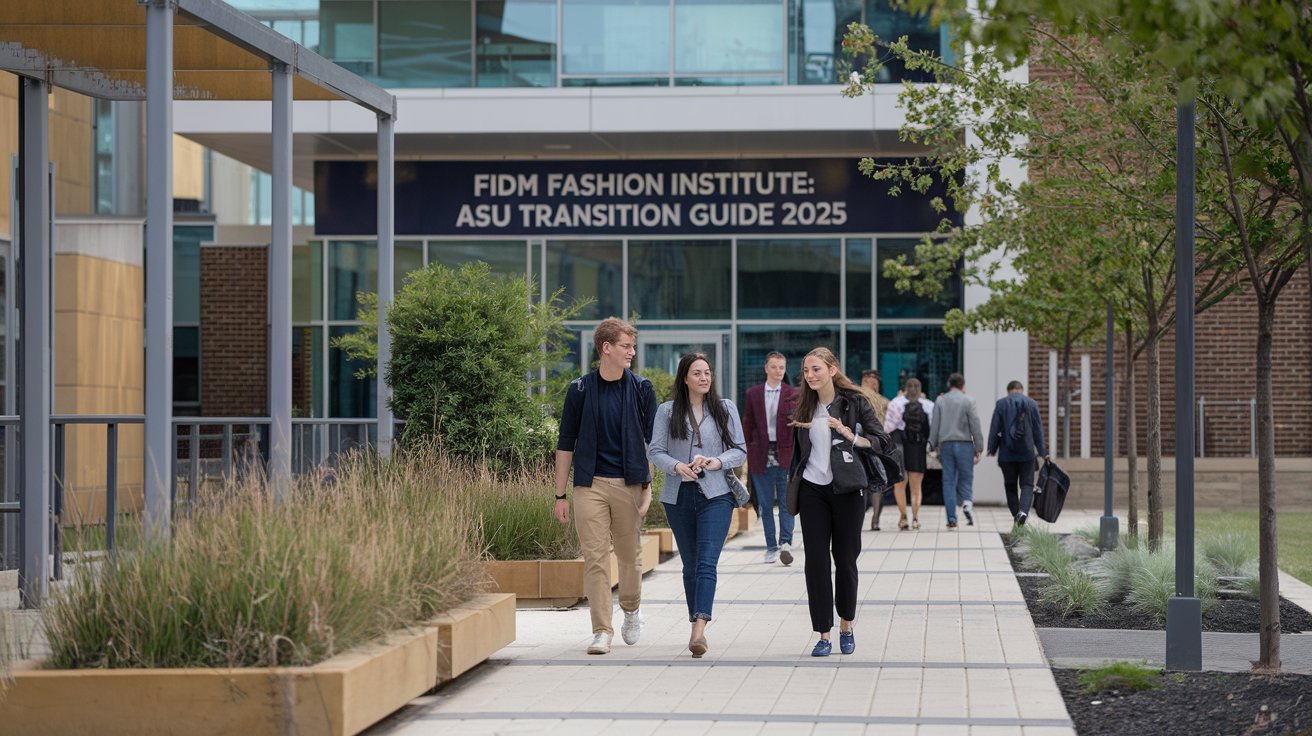
The FIDM Fashion Institute of Design & Merchandising underwent a significant transformation when it became part of Arizona State University in 2024. This comprehensive guide covers everything you need to know about the transition, including available degrees, tuition costs, acceptance rates, and resources for current and former students navigating this historic change in fashion education.
FIDM’s Legacy and Transition to ASU
The FIDM Fashion Institute of Design & Merchandising served the fashion industry for over 50 years before its acquisition by Arizona State University in 2024. Founded in 1969, FIDM built a reputation as a premier institution for fashion education, graduating thousands of students who went on to successful careers in fashion design, merchandising, and related fields. The transition represents a new chapter that combines FIDM’s specialized fashion expertise with ASU’s extensive resources and academic infrastructure.
This strategic partnership allows ASU FIDM to maintain its fashion-focused curriculum while providing students access to a broader range of academic opportunities and resources. The integration preserves FIDM’s core mission while expanding possibilities for interdisciplinary learning and career development in the evolving fashion industry.
Why FIDM Closed as Independent Institution
FIDM’s closure as an independent institution resulted from financial challenges and declining enrollment that affected many specialized colleges nationwide. The COVID-19 pandemic accelerated these difficulties, making it challenging for FIDM Fashion Institute of Design & Merchandising to maintain operations independently. Rather than closing entirely, the institution chose to merge with ASU, ensuring continuity of education and preserving its legacy while strengthening its financial foundation.
When FIDM Became ASU
The official transition occurred in August 2024, marking the end of FIDM as an independent institution and the beginning of its integration into Arizona State University. This timeline allowed for careful planning and preparation to ensure ASU FIDM students experienced minimal disruption to their education. The transition process involved extensive collaboration between both institutions to maintain program quality and student support services.
ASU FIDM Degrees and Programs
The merged institution offers comprehensive FIDM Fashion Institute of Design & Merchandising degrees that combine traditional fashion education with innovative approaches to design and business. Programs include Associate and Bachelor’s degrees in Fashion Design, Fashion Marketing, Merchandising, and related fields. Students benefit from ASU’s extensive online learning platform while maintaining access to specialized fashion laboratories and industry connections.
All programs emphasize practical skills development alongside theoretical knowledge, ensuring graduates are well-prepared for careers in the competitive fashion industry. The curriculum incorporates sustainability principles, digital design technologies, and global market perspectives that reflect current industry trends and future opportunities.
Undergraduate Degree Options
ASU FIDM offers Bachelor’s degrees in Fashion Design, Fashion Merchandising, Marketing, and Visual Communications. These four-year programs provide comprehensive education combining creative development with business acumen. Students engage in hands-on projects, internships, and industry collaborations that prepare them for leadership roles in fashion companies, retail organizations, and entrepreneurial ventures.
Associate Degree Programs
Two-year Associate degree programs focus on specialized skills in fashion design, merchandising, and marketing. These programs serve students seeking direct entry into the workforce or those planning to transfer to four-year programs. The concentrated curriculum emphasizes practical skills and industry-relevant knowledge that employers value in entry-level positions.
Tuition and Costs at ASU FIDM
Understanding FIDM Fashion Institute of Design & Merchandising tuition requires examining both program-specific costs and additional fees. For the 2024-2025 academic year, undergraduate tuition ranges from $18,000 to $24,000 annually, depending on program type and student residency status. These costs reflect ASU’s commitment to providing quality education while maintaining affordability compared to other private fashion institutions.
Additional costs include materials, equipment, and laboratory fees specific to fashion programs. Students should budget approximately $2,000-$3,000 annually for supplies, software, and specialized equipment required for their chosen program. Financial aid options include federal grants, loans, and ASU-specific scholarships designed to support fashion students.
Financial Aid and Scholarships
ASU FIDM students have access to comprehensive financial aid programs including federal Pell Grants, state grants, and institutional scholarships. The university offers merit-based scholarships specifically for fashion students, ranging from $1,000 to $10,000 annually. Need-based aid is available through the standard FAFSA application process, with additional consideration for specialized program costs.
Cost Comparison and Value
When comparing FIDM Fashion Institute of Design & Merchandising cost to other fashion schools, ASU FIDM offers competitive pricing with enhanced value through ASU’s extensive resources. Students gain access to career services, alumni networks, and additional academic opportunities that justify the investment. The total cost of attendance, including living expenses, averages $35,000-$45,000 annually for out-of-state students.
Admission Requirements and Acceptance Rate
The FIDM Fashion Institute of Design & Merchandising acceptance rate varies by program but generally ranges from 60-75%, making it moderately selective. Admission requirements include high school diploma or equivalent, portfolio submission for creative programs, and satisfactory performance on standardized tests. The application process emphasizes creative potential, academic readiness, and commitment to fashion careers.
Prospective students must demonstrate artistic ability through portfolio submissions showcasing original work in their chosen field. Academic requirements include a minimum 2.5 GPA and completion of core high school curriculum. The holistic review process considers extracurricular activities, work experience, and personal statements alongside academic credentials.
Portfolio Requirements
Portfolio submissions vary by program but typically include 10-15 pieces demonstrating creative ability and technical skill. Fashion Design applicants must include original sketches, completed garments, and concept development work. Merchandising and Marketing applicants may submit visual presentations, retail displays, or marketing campaigns that showcase their understanding of fashion business principles.
Application Timeline and Process
Applications for fall semester are due by May 1st, with rolling admissions for qualified candidates. The process includes online application submission, portfolio review, and potential interview for competitive programs. Students receive admission decisions within 4-6 weeks of completed application submission, allowing adequate time for enrollment planning and preparation.
Notable Alumni and Career Outcomes
The impressive roster of FIDM Fashion Institute of Design & Merchandising notable alumni includes industry leaders, celebrities, and successful entrepreneurs who have shaped fashion and entertainment. Graduates include costume designers for major Hollywood productions, fashion executives at global brands, and innovative designers who have launched successful fashion lines. These success stories demonstrate the quality of education and industry connections that FIDM provides.
Career outcomes for recent graduates show strong employment rates, with 85% of students finding employment in their field within six months of graduation. Alumni work at major fashion houses, retail corporations, entertainment studios, and entrepreneurial ventures across the United States and internationally. The alumni network provides valuable mentorship and career opportunities for current students and recent graduates.
Student Reviews and Rankings
Current FIDM Fashion Institute of Design & Merchandising reviews reflect mixed perspectives on the transition to ASU, with students appreciating expanded resources while missing some aspects of the smaller, specialized environment. Overall satisfaction ratings average 3.8 out of 5, with students praising hands-on learning opportunities and industry connections while noting adjustment challenges during the transition period.
National FIDM Fashion Institute of Design & Merchandising ranking positions the programs among the top 25 fashion schools in the United States. Industry publications and educational ranking organizations recognize ASU FIDM for innovation in fashion education, industry partnerships, and graduate employment outcomes. The integration with ASU has enhanced the institution’s overall academic reputation and resource availability.
Student Satisfaction Factors
Students consistently praise the quality of faculty, who bring extensive industry experience to the classroom. The hands-on learning approach, state-of-the-art facilities, and opportunities for internships and industry collaborations receive high marks. However, some students express concerns about increased class sizes and changes to campus culture following the ASU integration.
Online Community Feedback
Discussions on FIDM Fashion Institute of Design & Merchandising Reddit and other online platforms reveal honest student perspectives on the transition. Common themes include appreciation for expanded online learning options, concerns about maintaining program quality, and positive feedback about continued industry connections. Prospective students benefit from reading these authentic experiences when making enrollment decisions.
Resources for Alumni and Former Students
ASU FIDM provides comprehensive support for alumni and former students navigating the institutional transition. Career services remain available to graduates, including job placement assistance, networking events, and professional development opportunities. The alumni association continues to operate, maintaining connections between graduates and providing ongoing support for career advancement.
Former students have access to transcript services, career counseling, and participation in alumni events and networking opportunities. The institution recognizes the importance of maintaining relationships with graduates who contribute to its reputation and success in the fashion industry. Special programs help alumni leverage their FIDM education while benefiting from ASU’s expanded resources and opportunities.
Related video about fidm/fashion institute of design & merchandising
This video complements the article information with a practical visual demonstration.
Key Questions and Answers
Why is FIDM closing?
FIDM didn’t close entirely but merged with Arizona State University in 2024 due to financial challenges and declining enrollment. The transition preserves FIDM’s fashion programs while providing students access to ASU’s extensive resources and financial stability.
Is FIDM hard to get into in LA?
ASU FIDM maintains moderate selectivity with acceptance rates around 60-75%. Admission requires portfolio submission, minimum 2.5 GPA, and demonstration of creative ability. The process is competitive but accessible for qualified students committed to fashion careers.
Is ASU FIDM a good school?
Yes, ASU FIDM combines FIDM’s specialized fashion expertise with ASU’s extensive resources and reputation. The program ranks among top 25 fashion schools nationally, offers strong industry connections, and maintains high graduate employment rates of 85% within six months.
When did FIDM become ASU?
FIDM officially became part of Arizona State University in August 2024. The transition process involved extensive planning to ensure continuity of education and minimal disruption to students while integrating FIDM’s programs into ASU’s academic structure.
What are the tuition costs for ASU FIDM?
Tuition for ASU FIDM ranges from $18,000 to $24,000 annually for undergraduate programs, depending on residency status and program type. Additional costs include approximately $2,000-$3,000 for materials and equipment, with financial aid available through federal and institutional programs.
What degrees does ASU FIDM offer?
ASU FIDM offers Associate and Bachelor’s degrees in Fashion Design, Fashion Merchandising, Marketing, and Visual Communications. Programs combine creative development with business skills, emphasizing hands-on learning, industry connections, and preparation for leadership roles in fashion careers.
| Key Aspect | Important Details | Benefit |
|---|---|---|
| Tuition Range | $18,000-$24,000 annually | Competitive pricing with ASU resources |
| Acceptance Rate | 60-75% acceptance rate | Moderate selectivity with portfolio review |
| Graduate Employment | 85% employed within 6 months | Strong industry connections and outcomes |
| Program Options | Associate and Bachelor’s degrees | Flexible pathways for different career goals |
| Transition Date | August 2024 to ASU | Preserved programs with enhanced resources |

